We live in a culture that will cancel you for having the wrong opinion. Volume is confused for truth. Emotion is mistaken for evidence. And nowhere is that more dangerous than in a courtroom.
In this blog you’ll learn:
Why emotional reactions in court can distort how jurors interpret evidence
How defense attorneys counter outrage culture with structure and storytelling
Why innocence must be actively constructed in the minds of jurors
What it takes to return the focus to the only standard that matters: proof beyond a reasonable doubt
In criminal trials, the defense attorney stands alone against this tide. The accusation itself becomes the weapon. Before the first witness speaks, jurors are already battling inner bias: “Where there’s smoke, there’s fire.” That presumption—deeply human, deeply wrong—is the antithesis of justice. Yet it’s the starting point in most trials.
Defense strategy must account for that. It’s not enough to explain reasonable doubt. Jurors need a way to feel it. That means analogies, stories, frameworks. It’s why seasoned defense lawyers use sports metaphors, betting language, and even moral thought experiments to translate the abstract into something jurors can hold.
In today’s courtroom, innocence is no longer the default. It’s something you have to build in the minds of twelve strangers. You have to break the performance loop. You have to remind them: This isn’t a play. This is real. Real stakes. Real consequences. Real people.
Because in an outrage culture, being falsely accused is a double punishment. You fight the legal battle and the moral battle. You defend not just facts, but your very right to be presumed innocent. And that’s why the defense has to steer every trial back to center: Not guilty is not a compromise. It’s the only honest verdict when proof falls short.
You’ve made it through law school. You’ve passed the bar. Now what?
If you’re just starting out in law, you’ve probably heard plenty about case law, legal strategy, and courtroom decorum. But here’s something that often gets overlooked: Your career won’t be built on knowledge alone—it will be built on relationships.
Return the Call
Let’s start with the simplest advice that too many lawyers ignore: Return your calls. Answer your messages. Reply to your emails. It might sound basic, but this is the number one complaint clients have about lawyers—not incompetence, not fees, but silence.
Every ignored call chips away at trust. Every delayed response sends a message, whether you mean it to or not. Clients don’t just want smart counsel—they want to feel seen, heard, and respected. If you can’t build that relationship with the person you represent, how can you expect to convince anyone else—opposing counsel, a judge, or a jury?
Communication Is Everything
Think of communication as your foundation. No matter how good your legal analysis is, it won’t matter if your clients feel abandoned. Being responsive isn’t just professional—it’s strategic. It builds trust. And that trust opens the door to better outcomes.
Use whatever tools you have—Cleo, text, phone, email—it doesn’t matter. Just do something. Don’t let the sun set on a message you haven’t returned. The longer you wait, the harder it is to rebuild that connection.
Respect Builds Influence
Law is a people business. Whether you’re negotiating a deal, counseling a client, or standing in front of a jury, your ability to relate to others determines your effectiveness. That starts with respect. Respect for your clients, your colleagues, your time, and theirs.
Respect isn’t about deference. It’s about showing people that you’re present, reliable, and serious about their concerns.
Bottom Line: Be There
Here’s the heart of the matter: Consistency and communication are what build legal careers. Not just wins in court. Not just GPA or clerkships. It’s how well you show up, listen, respond, and follow through.
Be the lawyer who calls back.
Be the lawyer who communicates clearly.
Be the lawyer people trust.
A trial starts long before opening statements—while jurors are still strangers, sitting in a box, not yet sworn in. And Voir dire is more than jury selection. It’s a search for bias, and a critical opportunity to lay the groundwork for how the jury will hear everything that follows.
When done right, we don’t just find the right jurors—we shape how they think.
In this blog, you’ll learn:
• Why voir dire is often the only chance to speak with jurors, not at them
• How skilled defense attorneys use questions to teach, not persuade
• Why early framing affects how jurors absorb evidence
• What kinds of hidden assumptions must be surfaced before trial even begins
Voir dire isn’t about picking likable jurors or ones who “seem fair.” It’s about surfacing the unconscious stuff—snap judgments, cultural assumptions, personal histories—that might quietly override everything else. That can’t be fixed in closing arguments. It has to happen before jurors even take the oath. Because once the evidence starts rolling, it’s too late to untangle how people think.
This is also the only time we can have a real conversation with jurors. In every other phase, we talk to them. In voir dire, we talk with them. That’s the window. We don’t use it to convince—we use it to prepare. To help them understand what “beyond a reasonable doubt” actually means. To challenge their instinct to assume guilt. To introduce the idea that real defendants are flawed, complex, human. Not caricatures.
Good voir dire isn’t just about who ends up on the panel. It’s about the mindset they carry once they’re seated. Jurors don’t walk in the door with perfect neutrality—that’s a myth. But if we ask the right questions, in the right way, we can clear enough space in their thinking to make a fair trial possible.
Experienced DUII Defense Attorneys in Eugene, Oregon
When you’re facing Driving Under the Influence of Intoxicants (DUII) charges in Oregon, the stakes are high. A conviction can lead to severe penalties, including license suspension, hefty fines, mandatory treatment programs, and even jail time. At the Law Office of Mike Arnold, we understand that every decision you make early in your case can significantly impact your future. That’s why you need an aggressive, strategic, and experienced defense team on your side from day one.
Our firm’s founder, Mike Arnold, is a seasoned trial lawyer and former Eugene city prosecutor who knows exactly how the state builds DUII cases—and more importantly, how to dismantle them. With a deep understanding of Oregon’s DUII laws and courtroom procedures, our firm is uniquely positioned to challenge field sobriety tests, breathalyzer results, and police reports to expose weaknesses in the prosecution’s case.
✔ Trial-Tested DUII Defense – We prepare every case for trial, ensuring we are ready to fight for you at every stage.
✔ Cutting-Edge Legal Strategies – From challenging the legality of traffic stops to scrutinizing breath and blood test results, we leave no stone unturned.
Whether this is your first DUII or you’re facing felony DUII charges due to prior convictions or aggravated circumstances, we provide the aggressive and knowledgeable defense you need to protect your rights and future.
Don’t face DUII charges alone. Contact our Eugene DUII defense attorneys today for a free intake call or a paid consultation. The sooner you act, the better your chances of securing a favorable outcome.
Warning: You Only Have 10 DAYS To Request a DMV Hearing to Protect Your Oregon Driver’s License!
(Submit an online request now but screenshot your form before and after submitting)
Drunk driving charges in Oregon are quite serious. The consequences of these charges are equally serious: if you are caught for the first time or you have been arrested several times. Though no attorney can take your name off the records completely (DMV records typically last forever), we can help to minimize these consequences.
Text or call Mike Arnold today at 541-359-4585 to get started on your defense.
Mike Arnold was voted Eugene’s best DUII lawyer the first and only year the weekly publisher featured this category.
What Qualifies as Driving Under the Influence of Intoxicants (DUII) In Oregon?
In Oregon, Driving Under the Influence of Intoxicants (DUII) is defined under ORS 813.010 and applies to alcohol, controlled substances (including prescription and illegal drugs), and inhalants.
A person is considered to be driving under the influence if they meet any of the following criteria while operating a vehicle:
Blood Alcohol Content (BAC) of 0.08% or Higher
If a driver’s BAC is 0.08% or greater, they are automatically presumed impaired under Oregon law.
For commercial drivers, the legal limit is 0.04%.
For drivers under 21, Oregon has a zero-tolerance policy, meaning any measurable alcohol can result in a DUII charge.
Impairment by Alcohol, Drugs, or a Combination of Both
Even if a driver’s BAC is below 0.08%, they can still be charged with DUII if an officer determines they are too impaired to drive safely.
This includes impairment from illegal drugs, prescription medications, over-the-counter drugs, and inhalants (such as nitrous oxide or other intoxicating substances).
DUII charges in Oregon carry serious consequences, including license suspension, fines, mandatory treatment programs, and even jail time—especially for repeat offenders. If you’ve been arrested for DUII, it’s critical to have an experienced defense attorney who understands Oregon’s DUII laws, field sobriety test flaws, and how to challenge the state’s case against you. We can help. Contact our skilled Eugene DUII defense lawyers today to learn how.
How Does Oregon Law Treat Marijuana DUII Cases?
With legalized recreational marijuana, many assume they can drive after using cannabis. However, driving under the influence of marijuana is treated the same as an alcohol-related DUII. There is no set legal limit for THC impairment in Oregon, meaning an officer’s observations, field sobriety tests, and other evidence may be used to prove impairment.
Contact the Law Office of Mike Arnold today for a free intake call or a paid consultation to discuss your defense strategy. The sooner you act, the better your chances of securing a favorable outcome.
What are the Penalties for Refusing A Breath, Blood, or Urine Test Under Oregon’s Implied Consent Law?
Oregon’s Implied Consent Law (ORS 813.100) states that by driving on Oregon roads, you automatically consent to chemical testing (breath, blood, or urine) if a law enforcement officer has reasonable grounds to believe you are driving under the influence of intoxicants (DUII). Refusing to take these tests comes with serious consequences, including an automatic license suspension and increased penalties if convicted of DUII.
Penalties for Refusing a Breath, Blood, or Urine Test
Refusal Type
License Suspension
Fine
Other Consequences
Breath Test Refusal
1-year suspension (first offense); 3-year suspension (if prior DUII conviction or implied consent suspension in the last 5 years)
$500 to $1,000
Ineligible for a hardship license for at least 90 days
Required if suspected of drug use and breath test is under 0.08%
Additional Consequences for Refusing a Test
Evidence of Guilt in Court – Your refusal can be used against you in court, potentially making your defense more difficult.
Longer License Suspension than a Failed Test – If you fail a breath test (BAC 0.08% or higher), your suspension is 90 days for a first offense. However, refusing the test leads to a 1-year suspension—a significantly harsher penalty.
Increased Penalties if Convicted of DUII – If convicted, you may face additional mandatory minimum fines and longer license suspensions for refusing the test.
Hardship License Restrictions – You will be ineligible for a hardship (work) permit for at least 90 days after a first-offense refusal, meaning you cannot legally drive at all during that time.
Can Oregon Police Force Me to Take a Test?
Breath Tests: If you refuse, you will face the penalties listed above, but police cannot force you to take a breath test.
Blood Tests: If you refuse a blood test, police may seek a warrant to take your blood by force if there are aggravating factors, such as a DUII crash with injuries.
Urine Tests: If an officer has probable cause that you are under the influence of drugs, refusing a urine test leads to the same penalties as a breath or blood test refusal.
Refusing a test may seem like a way to avoid DUII evidence, but it often results in harsher penalties than a failed test. However, every situation is unique. If you have already refused a test, or you’re facing a DUII charge in Oregon, you need an experienced Eugene DUII defense attorney to protect your rights and fight for the best outcome in your case.
Contact the Law Office of Mike Arnold today for a free intake call or a paid consultation to discuss your defense options. The sooner you act, the better your chances of protecting your license and your future.
Does Oregon Have a Diversion Program for DUIIs?
If you qualify for diversion under Oregon’s DUII law (no prior diversions or DUIIs within the last 15 years [the old law was 10 years if your arrest was prior to 1/1/2010], no injuries were caused by your driving in this case, you didn’t have a commercial driver’s license, etc.), you may want to have an experienced Eugene dui attorney review your case prior to your entering into the diversion program.
By doing this you get yourself several advantages. First, you will still be suspended by the DMV if you fail or refuse the intoxilyzer and an attorney can defend you at the DMV hearing. Second, if you are not guilty/innocent but are charged anyway, the diversion process could prove an unnecessary and expensive inconvenience. Third, an attorney can review the case for possible suppression issues that could result in a dismissal or a triable DUII case. Oregon attorney Mike Arnold has won diversion-eligible jury trials and has had many diversion-eligible cases dismissed for proof and legal problems. Text or call Mike Arnold today at 541–359-4585.
CDLs and Diversion Program Eligibility in Oregon
Warning: Surrender your Commercial Driver’s License if you Don’t Drive Commercially.
If you are arrested for DUII and you have a CDL, even if you haven’t been driving commercial for years, you are not eligible for diversion. We repeat: Even if you are cited for DUII while not driving commercially, you cannot enter diversion.
This law was passed in Oregon several years ago when the federal government put a gun to the legislature’s head. This unreasonable law had to be passed otherwise Oregon could have lost its highway funding.
This causes folks who would ordinarily be eligible for diversion to have to try the case or plead guilty to DUII and have an automatic one-year license suspension. The state now treats a first-time DUII offender who has an old, stale CDL as a second-time offender.
To surrender your CDL and convert back to a Class C license, visit the DMV (the form is available online). If you fill out this form and submit it to the DMV, you reduce the risk that you get stopped for DUII without the same rights as every other first-time DUII driver. Of course, if you have a DUI pending this does not help you and you should contact an attorney immediately.
Text or call Mike Arnold today at 541-359-4585.
Trial vs. Plea Agreements in Oregon DUII Cases
A knowledgeable Oregon DUII lawyer can attempt to negotiate you the most favorable resolution to your case. The punishment for such cases in Oregon is usually a minimum sanction of 80 hours of community service or two days of jail. There is also a mandatory fine of $1,000 for a first offense, $1,500 for a second, $2,000 for the third. Beginning January 1, 2010, there was a mandatory minimum of $2,000 for anyone who blows 0.15% BAC or higher. Finally, there is a driver’s license suspension ranging from one year to life, depending on the number of prior convictions.
If you choose to take your case to trial, the officer and prosecutor will bring to the notice of the jury all of the purported signs of impairment. These include the normal signs that we all associate with intoxication (bloodshot eyes, slurred speech, sway, etc.) as well as field sobriety tests.
Driving issues are other things emphasized at the trial. Mostly you hear about “sway within the lane” as an indicator (although not a violation of the motor vehicle code) or failure to maintain a lane (crossing over the line). Of course, there could be allegations of more dangerous driving that may or may not have explanations other than alcohol. Often we see Reckless Driving charges accompanying these sorts of factual allegations. Finally, an Oregon officer gives his own opinion of you being under the influence of alcohol.
Oregon DUIIs are highly technical cases to try for the prosecution. These cases require an experienced Eugene DUII attorney. Attorney Mike Arnold is a former Eugene city prosecutor and has experience both prosecuting and defending DUII jury trials. Text or call Mike Arnold today at 541-359-4585.
Take Control of Your Oregon DUII Defense – Contact the Law Office of Mike Arnold Today
A DUII charge in Oregon can have life-altering consequences, but the right legal defense can make all the difference. At the Law Office of Mike Arnold, we know how to challenge breath and field sobriety tests, fight license suspensions, and expose weaknesses in the prosecution’s case. As a former prosecutor turned elite trial attorney, Mike Arnold and his team bring the aggressive, strategic, and results-driven defense you need.
Time is critical—don’t wait. The sooner you take action, the better your chances of reducing or even dismissing the charges against you. Call or text 541-359-4585now for a free intake call or a paid consultation to discuss your defense strategy and take the first step toward protecting your rights, license, and future.
In the legal world, justice isn’t about feel-good slogans or political grandstanding. It’s about giving each person what they are due. Not more. Not less. Justice isn’t a handout or a favor—it’s a system where people are treated with fairness and dignity, where the facts matter more than emotions, bias, or public pressure.
In other words, justice means a process that doesn’t favor the rich, the loud, or the well-connected. It means a level playing field. It’s not about punishing people because they make us uncomfortable or about redistributing outcomes until everyone feels satisfied. That kind of thinking may sound fair at first, but it misses the point. Justice isn’t about feelings. It’s about rights.
When you step into a courtroom, the goal is simple: determine the truth and do what’s fair based on the law and the evidence. But getting there is anything but simple. The legal system has guardrails—like the rules of evidence, due process, and a neutral fact-finder—to ensure those decisions are made without prejudice. Without those protections, a courtroom turns into a popularity contest or a punishment theater.
Take hearsay, for example. Someone shows up to court with a note saying you did something terrible. But the person who wrote it isn’t there to testify, to answer questions, to be challenged. Is that fair? No. That’s why hearsay generally isn’t allowed. Because justice demands that both sides have a fair chance to challenge what’s being said.
And that principle goes deeper. Is it fair to bring up someone’s past mistakes in a case that’s about something else? Maybe. But only if it reveals something relevant—a pattern, a motive, a specific intent. Not just to paint someone as a bad person. Because justice isn’t about character assassination. It’s about facts and context.
Justice also depends on the fact-finder—the judge or jury—being truly neutral. They must come in without preconceived notions, willing to listen, open to being persuaded by the evidence. That’s why voir dire exists: to find jurors who can honestly set aside their biases. Not robots, but humans who know themselves well enough to recognize their blind spots.
And even with all that in place, the system still isn’t perfect. Sometimes judges are impatient. Sometimes decisions are rushed. Sometimes the power dynamics in a courtroom skew toward one side. But justice means we keep striving. We appeal. We challenge. We work to correct mistakes.
Because the alternative is terrifying. In countries where the justice system has failed, people settle disputes in the streets. Corruption runs rampant. The powerful exploit the powerless. People live in fear, knowing that fairness isn’t even on the table.
In America, we’re not there—yet. We have flaws, yes. But we also have structure. Rights. Appeals. A culture that, at its best, values due process and truth. That’s the soul of justice.
So what is justice? It’s not perfection. It’s not convenience. It’s a process. One that respects human dignity, prioritizes facts, and strives for fairness, even when it’s messy or slow. Justice means getting what you are due—no more, no less. And in a free society, that idea is worth fighting for.
Trusted Federal Criminal Defense Lawyers in Eugene, Oregon
Federal criminal charges are one of the most overwhelming and high-stakes legal challenges a person can endure. Unlike state prosecutions, where sentencing can often be more flexible, federal cases are handled by the United States government—an entity with unlimited resources, dedicated federal prosecutors, and the power to impose severe mandatory sentences.
A charge that might result in probation or a short sentence in state court could lead to years in federal prison due to strict sentencing guidelines and mandatory minimums. If you or a loved one is under investigation or has been indicted in federal court, it is critical to act immediately and secure a skilled federal defense attorney who knows how to navigate the complexities of the federal system.
At the Law Office of Mike Arnold, we specialize in high-stakes criminal defense, representing clients in some of Oregon’s most complex and high-profile cases. Our firm’s founder, Mike Arnold, is a seasoned trial attorney and former prosecutor who understands how federal cases are built—and, more importantly, how to dismantle them in court. Our Eugene criminal defense legal team has extensive experience handling jury trials, multi-defendant cases, expert witnesses, forensic evidence, and intricate federal procedures.
If you are under federal investigation or have already been indicted, the decisions you make right now will impact your future. Do not wait—contact the Law Office of Mike Arnold today for a free intake call or a paid consultation to discuss your case. When your freedom is at stake, you need experienced, relentless, and results-driven defense attorneys who will fight for you every step of the way.
What is the Difference Between State and Federal Criminal Cases in Oregon?
Oregon criminal cases can be prosecuted at either the state or federal level, depending on the nature of the crime, the agencies involved, and whether the offense violates state law, federal law, or both. Understanding the difference between state and federal criminal charges is critical because federal cases typically carry harsher penalties, longer sentences, and more aggressive prosecution.
Types of Crimes Prosecuted in Federal Court
Unlike state cases, which district attorneys in county courts prosecute, federal cases are handled by Assistant U.S. Attorneys in United States District Court and often involve extensive investigations by federal agencies, such as the FBI, DEA, ATF, IRS, Secret Service, or Homeland Security.
Typical offenses that fall under federal jurisdiction include:
White-Collar Crimes – Federal fraud investigations often target wire, mail, securities, tax, bank, healthcare, PPP loan, and identity theft. These cases typically involve financial institutions, government programs, or interstate transactions, subjecting them to federal prosecution.
Drug Trafficking and Distribution – While drug possession and small-scale sales are often prosecuted at the state level, cases involving large quantities, distribution across state lines, or involvement with drug cartels or organized crime fall under federal drug laws. The DEA often leads these investigations, and mandatory minimum sentencing applies to many federal drug crimes.
Firearms and Weapons Charges – Federal firearms charges can include illegal possession of a firearm by a felon, interstate gun trafficking, possession of an unregistered firearm, or use of a firearm in connection with a federal drug or violent crime. These cases are aggressively prosecuted under laws enforced by the ATF.
Cybercrimes and Internet Offenses – Crimes involving the Internet, computers, or digital transactions often fall under federal jurisdiction, particularly child pornography offenses, hacking, online fraud, and identity theft. The FBI and the Department of Justice’s Cybercrime Division frequently handle these cases.
RICO and Conspiracy Charges – Racketeering (RICO) and conspiracy cases involve organized crime, gang-related activities, drug cartels, and large-scale fraud schemes. These cases often involve multiple defendants and can result in lengthy federal prison sentences.
Federal Sex Crimes – Cases involving child exploitation, sex trafficking, online solicitation of minors, and offenses crossing state or international borders are prosecuted under federal law, often with severe sentencing guidelines.
Immigration Crimes – The Department of Homeland Security (DHS) and Immigration and Customs Enforcement (ICE) handle cases related to illegal entry, visa fraud, human smuggling, and reentry after deportation. Convictions can lead to deportation, removal proceedings, and federal prison time.
Federal Appeals and Post-Conviction Relief – Those convicted of federal crimes may have the opportunity to appeal their case or seek post-conviction relief in federal appellate courts. Still, the process is highly complex and requires an experienced appellate attorney.
Federal cases move fast, and the government has often spent months—or even years—investigating before an arrest is made. We develop aggressive, trial-ready defense strategies designed to challenge federal prosecutors, expose weaknesses in the government’s case, and fight for the best possible outcome.
How Federal Charges Impact Our Clients
A federal indictment can put your freedom, reputation, career, and future at risk, making it critical to take immediate action. The consequences extend beyond the courtroom, affecting your personal and financial stability in ways that can last a lifetime.
Federal charges carry higher stakes than state charges, as they often involve:
Harsher Sentencing – Many federal crimes carry mandatory minimum sentences, meaning a conviction could result in decades in prison with limited parole options.
Extensive Investigations – Federal cases are often built over months or years, meaning the government may already have significant evidence before making an arrest.
More Aggressive Prosecution – Federal prosecutors have more resources, expert witnesses, and law enforcement agencies assisting their cases, making it critical to have a defense team that matches their preparation and strategy.
Collateral Consequences – A federal conviction can lead to loss of professional licenses, asset forfeiture, financial penalties, deportation (for non-citizens), and restrictions on future employment or housing opportunities.
Our firm is dedicated to helping clients navigate the complexities of federal charges, build a strong defense, and fight for the best possible outcome.
How Our Federal Criminal Defense Attorneys Can Help
At the Law Office of Mike Arnold, we understand the unique challenges of defending against federal charges and the high-stakes consequences of a federal conviction. Our trial-tested defense attorneys develop aggressive legal strategies tailored to challenging federal prosecutors and dismantling the government’s case.
We focus on:
Pre-Indictment Defense – If you are under federal investigation but have not yet been charged, we can intervene early to negotiate with prosecutors and potentially prevent formal charges.
Strategic Trial Defense – We have extensive experience cross-examining federal agents, challenging forensic evidence, and exposing weaknesses in federal cases.
Negotiated Resolutions & Sentencing Advocacy – If a trial is not in your best interest, we work to reduce charges, secure favorable plea agreements, and advocate for the lowest possible sentence.
Federal Appeals & Post-Conviction Relief – If you have already been convicted, we can explore appellate options to challenge wrongful convictions or excessive sentencing.
If you are under investigation or facing federal charges, you cannot afford to wait. Federal prosecutors have limitless resources; their goal is to convict you, not give you the benefit of the doubt. You need an experienced, aggressive defense team that understands federal law and knows how to fight back.
Call the Law Office of Mike Arnold today at 541-359-4585 to schedule a free intake call or a paid attorney consultation and start building a powerful defense strategy. Your future is on the line—don’t leave it to chance.
Bottom of Form
If You Have Been Charged with a Federal Crime in Oregon…
Remain Silent: Talk to No One
Immediately tell your loved one they will talk to no one about anything that has happened, including you and their significant other. Assume that all telephone calls from the jail are recorded, because they are. Recordings of those phone calls will be the Federal Government’s Exhibit 1 at trial. Tell your loved one to tell any investigators that they want to speak to an Oregon federal court defense attorney and to say nothing else to law enforcement. No exceptions.
The Federal Government’s Burden of Proof: Can They Prove Their Case?
Under our federal constitution, an accused person is innocent unless and until proven guilty beyond all reasonable doubts. The question for the jury is not whether or not you committed the alleged federal crime. The question is whether or not the United States government has proven beyond a reasonable doubt that you committed the crime as alleged.
Mike Arnold and his team will research the legal issues unique to your federal case and can challenge the U.S. government’s evidence through motions to suppress and motions to exclude evidence. In addition to challenging the legal sufficiency of the evidence, we can challenge the factual sufficiency of the evidence by aggressively investigating your case and having an investigator speak to witnesses for the state and you. If there was a suggestive photo identification or other eyewitness problems, we challenge that evidence with a nationally known identification expert.
Mike Arnold’s Unique Approach to Defending Federal Crime Cases
Mike is known for utilizing his unique strategy and trial skills from other practice areas to defend your case. He is not a “business as usual” lawyer. Your case is not “one size fits all” for us. Because Mike has a broad range of criminal and civil jury trial litigation experience, he and his team have many experiences and relationships with trial experts you do not usually see in a federal criminal case. We will analyze your case’s unique fact issues and brainstorm WITH YOU what expert witnesses will assist the federal jury on a disputed fact. That might distinguish between a simple swearing contest between witnesses and reasonable doubt.
Understanding Federal Crimes and Sentencing Factors in Oregon
U.S. Attorneys, the federal prosecutors, have a mighty sentencing hammer to hold over your head. Get to know the Federal Sentencing Guidelines. Learn them. Don’t be ignorant of what motivates most of your case’s players. This is your life. Take control by learning and participating. You need an Oregon federal criminal defense attorney familiar with the federal criminal sentencing guidelines. While preparing your case for trial, we will also explore mitigation issues to present to the lifetime appointed federal judge and prosecutor. This includes having an investigator researching mitigating factors and employing other experts to assist at sentencing, such as drug and alcohol treatment specialists, psychological evaluators, etc. For instance, if it’s a defense exporting (ITAR/EAR) case, you must analyze the complicated implications of leadership roles and national security.
Choosing an Oregon Federal Criminal Defense Attorney
When your life as you know it is in jeopardy due to a the proverbial “federal case,” it is essential to invest in an Oregon federal defense lawyer who will give your case the attention that it and you deserve. You need to make an informed decision about the merits and hazards of a jury trial versus the advantages of plea negotiations.
If you or someone you know in Eugene or throughout western or southern Oregon needs the assistance of an experienced criminal defense lawyer, call attorney Mike Arnold today at 541-359-1040 to schedule a consultation or fill out the form on the contact page.
Crucial Questions to Ask an Oregon Federal Crimes Defense Attorney Before Partnering with Their Law Firm
Ask the following questions when interviewing potential federal defense lawyers:
Have you ever tried a case to a federal jury?
Do you have experience in a federal release hearing?
Do you have experience with the U.S. Attorney prosecuting my case?
What are some results for your clients in federal court?
What sort of experts do you employ in a case like mine?
If I’m eligible for a court-appointed attorney, will the government pay for investigator fees after retaining you?
What can you offer that a federal public defender cannot?
Do you have any recent jury trial experience?
What sentencing issues come up in a case like mine?
What are the legal and suppression issues that often come up?
What is a “truthful debrief” and do I have to participate?
What is a proffer, and is it mandatory? Do I have to name names?
What makes a person eligible for Sheridan’s federal prison?
When I talk to clients about their cases, I often bring up one of the most famous trials in history: the trial of Jesus Christ. Not because I’m comparing anyone to Christ, but because it shows the difference between being innocent and being falsely accused. It also highlights something that gets lost in the courtroom—and in society: no one is truly innocent.
Let’s be real. We’ve all messed up. We’ve hurt people, said the wrong thing, acted out of pride or anger. Some of us have done worse. And sometimes, the people we’ve wronged retaliate—not always fairly. A fight with a partner becomes a criminal accusation. A bad decision becomes a motive for someone to lie.
That’s the tricky part when you’re on trial. Yes, you may be innocent of the crime. But you’re not necessarily an innocent person. And juries need to understand that distinction. Because often, the prosecution paints the defendant as a monster—and when the jury sees bad behavior, they assume guilt.
But bad behavior isn’t a crime. And guilt beyond a reasonable doubt isn’t the same as being a bad spouse or a crappy friend.
This comes up all the time in overcharged cases. Let’s take Oregon’s Measure 11 crimes—mandatory minimum prison time. If someone is accused of Assault in the Second Degree, that could mean years behind bars. But what if the facts don’t match that charge? What if it was a push, not a weapon? What if there was no injury?
Now you’re facing prison for something that should’ve been a misdemeanor—something that, if charged properly, might’ve been resolved with probation or even dismissed later. But once you’re overcharged, your only choice is to fight. Because a plea could ruin your life just as much as a conviction.
That’s the difference between not guilty and innocent. You can be guilty of bad choices, guilty of being human. But that doesn’t mean you’re guilty of a felony—or that you should go to prison.
And that’s what we try to help juries understand. We don’t pretend our clients are saints. We just ask for the truth to matter more than the emotion. Because being “not guilty” isn’t about being perfect. It’s about being judged fairly.
Defending the Falsely Accused – Domestic Violence Defense Attorneys in Eugene, Oregon
False accusations of domestic violence can be devastating, threatening your freedom, reputation, career, and even your parental rights. In Oregon, these allegations can lead to immediate arrests, restraining orders, and serious criminal charges, even without concrete evidence. If you have been falsely accused, you need an aggressive, trial-tested criminal defense attorney who understands how to dismantle the case against you.
We specialize in high-stakes and high-profile criminal defense at the Law Office of Mike Arnold. We have extensive experience handling serious felony cases, domestic violence charges, and complex legal disputes. Our firm’s founder, Mike Arnold, is a former Eugene city prosecutor who knows firsthand how the state builds its case and how to tear it apart in court. Our work has been featured in major news outlets and true-crime television shows, a testament to our reputation for handling challenging cases with skill and tenacity.
Domestic violence accusations are not just criminal matters—they can also impact family law proceedings, including divorce, child custody, and parental rights. Our team has a deep understanding of how false allegations are used as leverage in high-conflict family law cases, particularly in cases involving parental alienation and restraining orders. We are relentlessly exposing fabricated claims, uncovering inconsistencies in the accuser’s statements, and fighting against misleading evidence.
When your liberty is at stake, your decisions early in your case can determine the outcome. Whether you are considering the risks of a jury trial or the potential advantages of a negotiated resolution, our experienced Eugene criminal defense attorneys will guide you through every step of the process. We don’t make empty promises—we take action.
If you or a loved one has been falsely accused of domestic violence, don’t wait. False Domestic Violence Allegations in Oregon – The Consequences and How We Defend You
False accusations of domestic violence can have devastating legal, personal, and financial consequences, often arising amid contentious divorces, child custody disputes, or personal vendettas.
If you have been falsely accused, the immediate consequences can include emergency restraining orders, eviction from your home, loss of access to your children, and potential criminal charges—all before you even have the chance to defend yourself.
Contact the Law Office of Mike Arnold today for a free intake call or a paid consultation and take the first step in protecting your rights, future, and reputation.
Some of the most common types of false domestic violence allegations in Oregon include, but are not limited to:
False Accusations in Divorce and Custody Battles
In heated divorces and custody disputes, one parent may falsely claim abuse to gain an advantage in family court proceedings. Oregon law (ORS 107.137) considers domestic violence allegations when determining child custody, meaning a single accusation—even if unfounded—can drastically impact parenting time and decision-making rights.
FAPA Restraining Orders Based on False Claims
Oregon’s Family Abuse Prevention Act (FAPA), allows restraining orders to be issued without concrete evidence, often based solely on the accuser’s statement (ORS 107.710). Once a restraining order is in place, the accused may be barred from their home, prohibited from contacting their children, and subjected to strict court-imposed restrictions. Even inadvertently, violating a FAPA restraining order can result in criminal penalties.
Retaliatory Allegations After a Breakup or Argument
Some false domestic violence accusations arise from personal grudges, revenge, or attempts to manipulate the legal system. A former partner may fabricate allegations to punish the accused or to gain control over shared property, finances, or personal relationships.
False Accusations Tied to Criminal Charges
Sometimes, a person may be falsely accused as part of a more extensive criminal investigation, where one party tries to shift blame or avoid consequences for their actions. These cases require a rigorous defense to expose inconsistencies in the accuser’s statements and challenge weak or misleading evidence.
How False Allegations of Domestic Violence Impact Our Oregon Clients
Being falsely accused of domestic violence can have immediate and long-term consequences that reach far beyond the courtroom. The effects can be devastating, disrupting personal relationships, careers, and reputations while placing the accused in a precarious legal position.
A false domestic violence accusation can lead to serious legal and personal repercussions, including:
Immediate Removal from Your Home – A restraining order can force you to leave your home, even if you own it.
Loss of Child Custody and Parenting Time – Courts may restrict visitation or suspend parental rights based on an allegation.
Criminal Charges and Jail Time – If convicted, domestic violence charges can result in jail time, fines, probation, and a permanent criminal record.
Employment and Reputation Damage – Many employers conduct background checks, and an accusation alone can affect your career, social standing, and personal relationships.
Firearm Restrictions – A FAPA restraining order can immediately prohibit firearm possession, even without a criminal conviction.
In many cases, the damage is done long before the truth comes to light, making it crucial to act swiftly and aggressively in your defense. The legal, financial, and emotional toll of fighting false accusations can be overwhelming, but having the right attorney can make all the difference in protecting your future. We can help. Contact our skilled Eugene false domestic violence allegations lawyers today to learn how.
How Our Eugene Criminal Defense Attorneys Can Help
Defending against false allegations requires an aggressive legal strategy and a deep understanding of Oregon’s domestic violence laws. At the Law Office of Mike Arnold, we take a proactive and evidence-based approach to dismantling false claims and protecting our clients.
That includes:
Investigating the Accuser’s Motive – We thoroughly examine the accuser’s background, motives, and any false claims to expose inconsistencies and credibility issues.
Challenging Weak or Misleading Evidence – We scrutinize police reports, medical records, witness statements, and text messages to disprove false allegations.
Defending Against Restraining Orders – We fight to prevent or overturn unfair FAPA restraining orders issued without proper evidence.
Protecting Parental Rights – If child custody is at risk, we aggressively present evidence demonstrating your fitness as a parent to the court.
Building a Strong Criminal Defense – If you face criminal charges, we develop a trial-ready defense strategy to fight for dismissals, acquittals, or reduced penalties.
If you have been falsely accused of domestic violence, you cannot afford to wait. The longer you delay, the more difficult it becomes to undo the damage. Any accusation can lead to immediate legal action against you, even without proof. Our experienced Eugene criminal defense attorneys know how to fight back, challenge false allegations, and protect your rights.
Contact Our Skilled False Allegations of Domestic Violence Defense Attorneys in Eugene, Oregon Today
At the Law Office of Mike Arnold, we know how to fight against false claims, expose inconsistencies, and build a powerful defense that protects your rights and future. Choosing the right attorney can mean distinguishing between a dismissed case and life-changing consequences.
Don’t wait—act now. Call 541-359-4585 to schedule a free intake call or a paid attorney consultation, or contact us online to get the immediate, aggressive legal defense you need. Our team is available after hours, on weekends, and for fast-track defense opportunities to ensure you have the correct legal strategy as soon as possible.
Every criminal trial is actually two trials. One unfolds in the courtroom—testimony, objections, legal arguments, and rulings. The other plays out silently, in the minds of jurors, attorneys, and even the judge. These two tracks rarely move in sync. And for defense attorneys, that split reality is where strategy lives or dies.
In this blog you’ll learn:
Why every trial runs on two tracks: what happens in court and what happens in jurors’ minds
How defense attorneys decide when to reveal key weaknesses in the prosecution’s case
The difference between truth-seeking prosecutors and true believers—and why it matters
Why strategic restraint can be more powerful than confrontation in securing a just verdict
On paper, the burden is clear: the state must prove its case beyond a reasonable doubt. But in reality, jurors walk in with bias. They see an arrest and assume guilt. They hear an accusation and feel outrage. They don’t naturally think like lawyers—they think like humans. So, the defense must navigate two challenges at once: countering the state’s story in the courtroom, and rewiring how jurors process it.
That’s why defense attorneys often hold back. They delay the reveal of fatal flaws in the prosecution’s case. It’s not misdirection. It’s respect for the process. A well-timed surprise in cross-examination can do more than a thousand words in opening argument. It can expose overconfidence, highlight contradictions, and jolt a juror out of assumption and into doubt.
But timing isn’t just about tactics. It’s about psychology. Because not all prosecutors are created equal. Some are truth-seekers—willing to confront new facts and reconsider their theories. Others are true believers. These DAs see the defense as an obstacle, not a partner in the search for justice. To them, every contradiction is a threat, every objection a challenge to their identity. That mindset drives weak cases to trial. And that’s where things unravel.
When the defense spots a gaping hole in the prosecution’s case, they face a choice: reveal it early and risk the other side patching it up, or wait and expose it when it matters most. The decision hinges on understanding who’s sitting across the aisle. Because the real drama of trial isn’t always on the record. It’s the unspoken chess match between two visions of justice—one grounded in humility and truth, the other in narrative and ego.
That’s why great defense work isn’t about theatrics. It’s about reading people. It’s about protecting jurors from their own instincts, dismantling bad logic, and guiding them back to the only standard that matters: proof beyond a reasonable doubt. In a system built on stories, the best defense is clarity.
We’ve put together the Useful Resources page to make life easier. Whether you’re fighting a criminal charge, preparing for a civil case, managing a court date, or just need help finding forms, rules, or local courts this curated, practical set of tools will help you take action.
If you’re searching for Oregon court forms, filing links, civil motion templates, or reliable criminal defense tools CLICK HERE
Here’s what you’ll find:
Court Calendars & Filing Portals: Easily access Oregon’s court schedules and eFile systems. If you’re trying to track your case or file something yourself, we’ve got the direct links to make it happen.
Legal Forms and Templates: From criminal defense checklists to civil motion templates and protective order documents—these are the same resources we use to prep cases. Available so you don’t have to reinvent the wheel.
Helpful Government & Legal Websites: DMV, Oregon Judicial Department, state bar resources, etc. All in one place, no digging around outdated directories.
Reference Materials for Clients: Resources to help you understand what you’re facing and how we approach it—especially useful in criminal defense and civil litigation contexts.
We created this page because we believe in giving clients as much power and information as possible. Whether you’re hiring us, representing yourself temporarily, or just want to better understand the system, this is your launchpad.
Need help navigating what you find? Call or text us anytime at 541-797-0110. We’re here to do the heavy lifting—so you can focus on what matters.
I heard the firm was the ‘best’ I agree. They are by far the best firm in all of Oregon. Mike Arnold and his team kept me positive in a bad situation. They believed in me 110% all into it. They came to visit at the jail as much as possible sharing insights on my case. It was never one day I didn’t know what was going on.
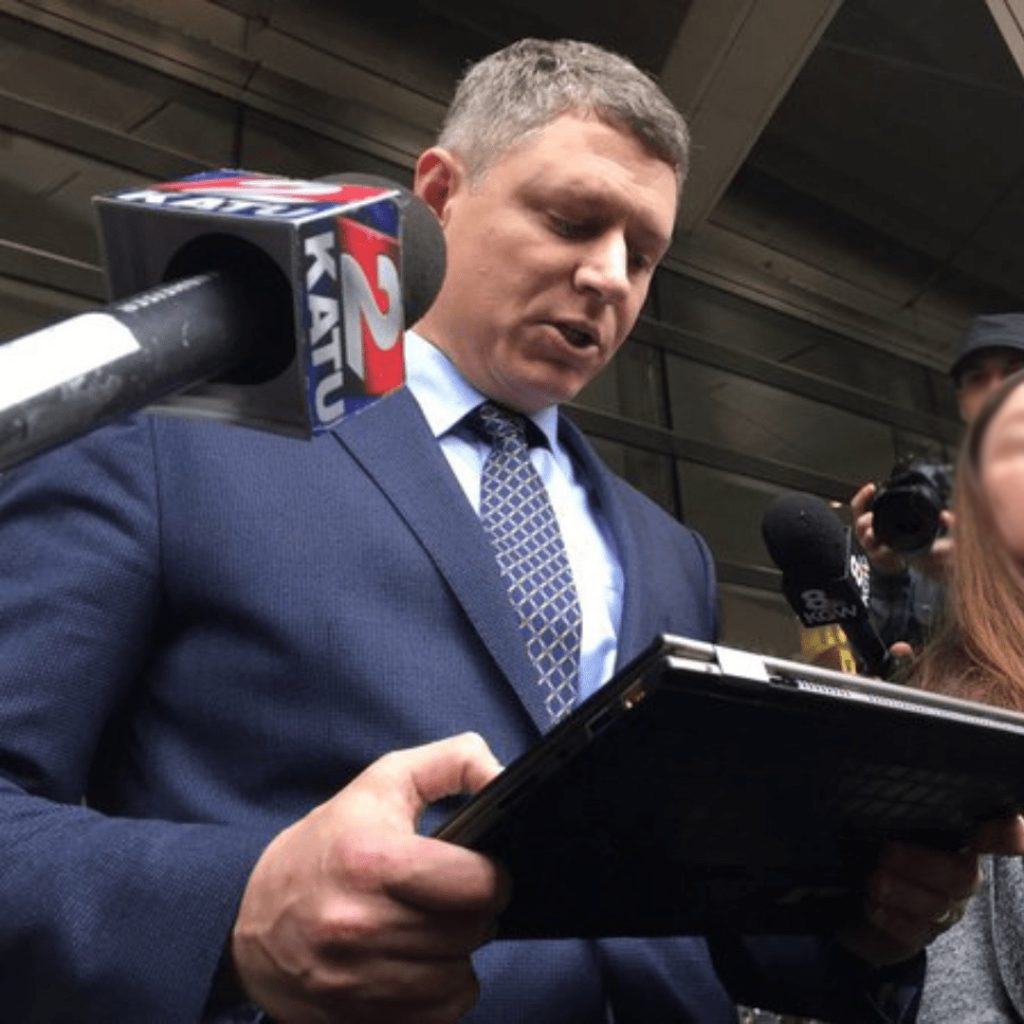
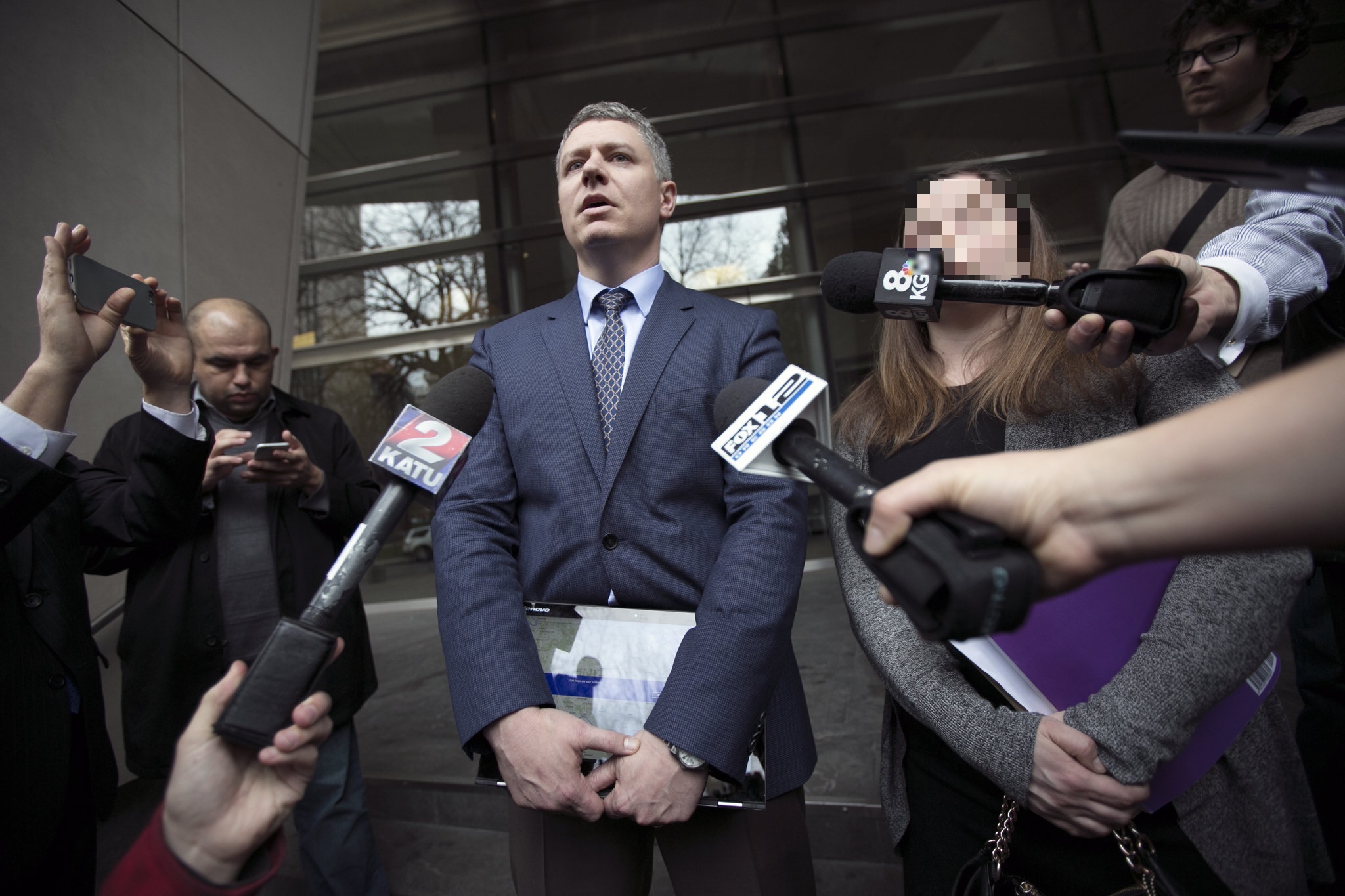
In the early hours of the morning, law professors wonder whether anything we do makes the world a better place. Today, I feel pretty sure that the answer is yes. That’s because, on January 28, I awoke to a televised image of Ammon Bundy’s lawyer, Mike Arnold of Eugene, Oregon, reading a statement urging the other Malheur protesters to stand down. Arnold is a former student of mine. I couldn’t be prouder.
Mike Arnold is an aggressive attorney that doesn’t mess around. I would recommend him to anyone. Thanks for helping me. I don’t think I have ever been so scared or felt so helpless and I’m thankful I know you guys.
Francisco Segarra and the team at the Law Office of Mike Arnold stepped in and fought fiercely for us. They were strategic, honest, and relentless—always keeping us informed and grounded in a clear plan.
Because of them, we came out stronger and finally saw justice done
I am not a resident of Oregon and was put in the awkward position of finding a competent attorney for my son who had just been charged with a very serious felony while attending a university here. My wife and I interviewed a number…
Mike is amazing said resident Susan Hungerford. She said that several jurors told Arnold after her son’s [manslaughter] trial that they would call him if they ever got into legal trouble. ‘They were all over him, congratulating him,’ Hungerford said.
I was impressed watching Mike Arnold in his element during a suppression hearing. He is a very confident and knowledgeable attorney in the courtroom, but he also has a realness about him that I really appreciate. Thank you all for everything you are doing to try to help me in this matter.
Mike is an Oregon Attorney and Entrepreneur who has a passion pursuing what conventional wisdom considers long shots or lost causes, particularly when it involves speaking truth to power.
Mike is experienced in jury trials and complex criminal and civil litigation involving multiple parties and witnesses, voluminous discovery, expert witnesses, and high stakes.
We would like to hear from you. Please send us a message by filling out the form below and we will get back with you shortly. Do not send confidential information. This does not form an attorney-client relationship. No action will be taken on your behalf unless agreed to in writing by the attorney. Perhaps we already represent someone adverse to you, so keep your comments general (type of case, name of parties for a conflict check, jurisdiction, etc.)