






Can Someone Claim Your Land in Oregon If They Honestly Thought It Was Theirs?
Nov 18, 2026 Practice AreasWhen an Honest Mistake Meets a Property Line in Oregon
Key Takeaways: Yes, someone can claim your land in Oregon if they honestly believed it was theirs, but an honest belief alone is usually not enough. Under ORS 105.620, the claimant must show 10 years of actual, open, notorious, exclusive, hostile, and continuous possession. The honest belief must have existed when possession began, lasted the full 10 years, rested on an objective basis, and been reasonable under the circumstances. The claimant must prove every element by clear and convincing evidence, which may help protect landowners against weak or poorly documented claims. Landowners may also have remedies, such as an action to recover possession with damages or a quiet title action. Because outcomes depend on documents, timelines, and witnesses, both sides should preserve records early and get legal advice before acting.
Yes, in some cases someone can claim your land in Oregon if they honestly believed it was theirs, but the honest belief alone is usually not enough. Oregon’s adverse possession statute generally does not reward someone who knowingly takes land that belongs to someone else. To win, a claimant usually has to show a sincere and reasonable belief of ownership that lasted a full 10 years, along with every traditional element of possession, all proved by clear and convincing evidence. Whether you own the land or have kept up a strip of ground for years, the result usually turns on proof.
If a boundary or ownership dispute affects your property, the Law Office of Mike Arnold can help you understand where you stand before you take your next step. You can request an intake call or reach our firm at 541-359-4585. Please share only your contact and conflict-check information until we complete a conflict check.
How Adverse Possession Oregon Law Actually Works
Adverse possession lets a person gain title to land by possessing it for a set period under certain conditions. In Oregon, ORS 105.620 puts the doctrine into statute and adds requirements beyond the common law. You can read the full text in Oregon Revised Statutes Chapter 105. Courts generally hold claimants to each item on the statutory checklist. The statute applies to claims that had not vested before it took effect in 1990, and courts may still decide older claims under prior common law rules.
Under ORS 105.620(1)(a), a person may gain fee simple title only if that person and their predecessors in interest kept actual, open, notorious, exclusive, hostile, and continuous possession for 10 years. A current owner may be able to add a prior owner’s years of possession to their own. This is called "tacking," and it generally requires privity, meaning a link such as a deed or other transfer between the successive possessors.
The Traditional Possession Elements
Each element tests a different part of the claimant’s story. Courts generally look for:
- Actual: physical use of the land, such as building on, farming, or maintaining it
- Open and notorious: use visible enough that a reasonably attentive owner would notice
- Exclusive: use like an owner’s, not shared with the true owner or the public
- Hostile: possession under a claim of right or color of title, as discussed below
- Continuous: unbroken possession for the full 10 years
What "Hostile" Means Under ORS 105.620
"Hostile" does not mean aggressive or malicious. Under ORS 105.620(2)(a), hostile possession means possession under a claim of right or with color of title. Color of title means the possessor claims under a written conveyance, such as a deed, or by operation of law from someone who claimed under a written conveyance. Possession with the true owner’s permission is generally not hostile.
The Honest Belief Requirement Sets Oregon Apart
Oregon adds a state-of-mind element that separates an honest mistake from a knowing trespass. Under ORS 105.620(1)(b), the person who first took possession, whether the claimant or a predecessor, must have honestly believed at that time that they were the actual owner. Someone who used land knowing it belonged to a neighbor generally cannot meet this requirement, no matter how long the use lasted.
Sincerity Is Only the Starting Point
The honest belief standard has three more parts under ORS 105.620(1)(b)(A) through (C). The belief must have:
| Requirement | What It Means in Practice |
|---|---|
| Continued throughout the vesting period | The belief must last the entire 10 years, held by the claimant and any predecessors |
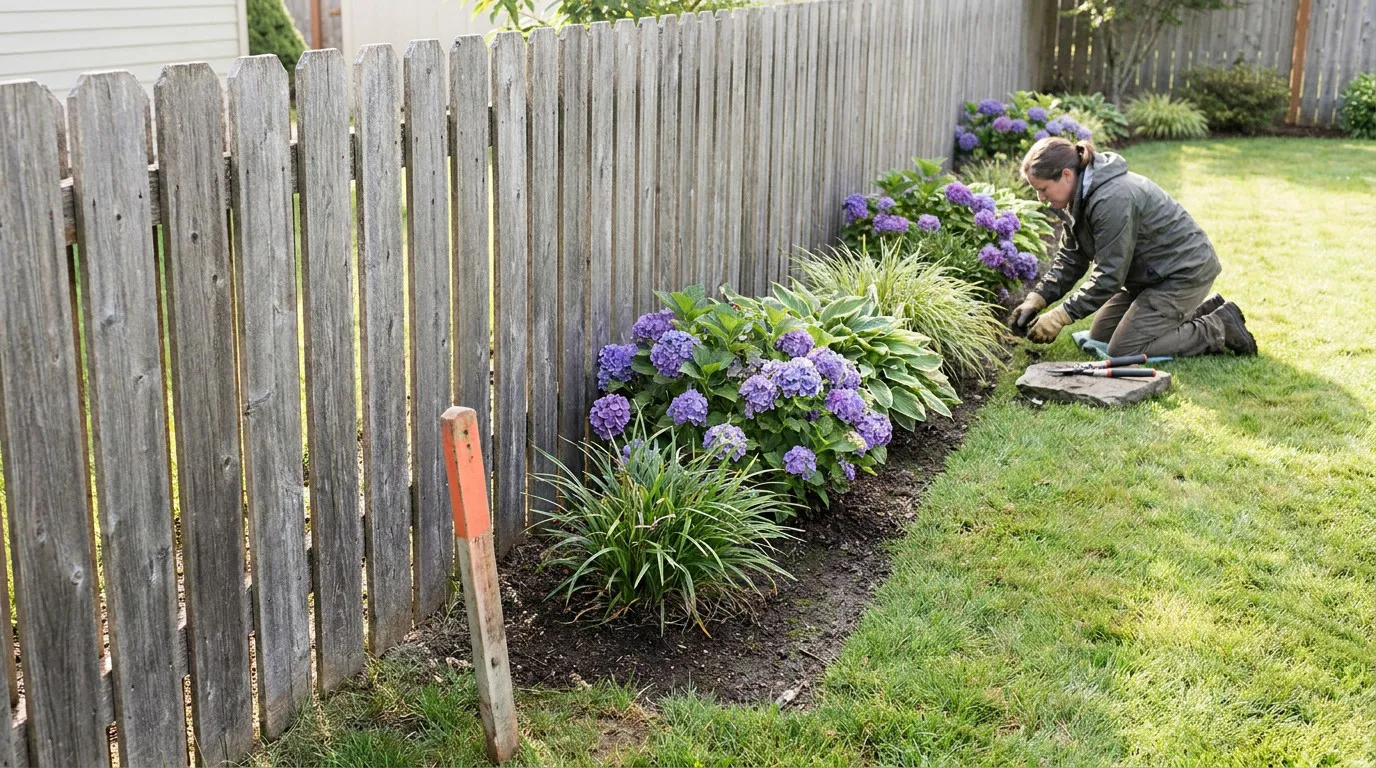
| Had an objective basis | Something outside the claimant’s mind supports it, such as a deed, survey, or established fence line |
| Been reasonable under the circumstances | A reasonable person in the same position could have held the same belief |
These rules screen out guesses and wishful thinking. If a claimant learns partway through the 10 years that the land belongs to someone else, the claim generally fails. Likewise, a belief based on a casual assumption, with no deed language, survey marker, or physical boundary behind it, may fail the objective basis test.
💡 Pro Tip: Old surveys, closing documents, title reports, and letters or emails with neighbors can matter a great deal in an honest belief dispute. Find and keep these records early, before memories fade or documents go missing.
Why the Burden of Proof Favors Careful Preparation
Under ORS 105.620(1)(c), the claimant must prove each element by clear and convincing evidence. That standard is higher than the preponderance of the evidence standard used in most civil cases. For landowners, this burden often gives real protection against weak or poorly documented claims.
For claimants, the higher standard means the evidence gathered before trial usually decides the case. Testimony that "we always thought it was ours" may carry weight, but courts generally expect support. Aerial photos, tax records, maintenance receipts, fence installation dates, and accounts from prior owners can all become central.
Rural Property and the Grazing Limitation
Livestock grazing alone generally does not establish adverse possession. ORS 105.620(2)(b) provides that, without other facts, grazing livestock is not enough to establish the required possession. For farm and ranch properties, a claimant usually needs more, such as fencing or improvements.
Land Ownership Rights When Someone Is Occupying Your Property
A landowner can do more than defend against an adverse possession claim and may have remedies of their own. Under ORS 105.005(1), a person with a legal estate in real property and a present right to possession may sue to recover possession, with damages for withholding it. These remedies generally depend on the owner’s title not having already passed to the claimant through adverse possession.
Timing matters in these disputes. Because adverse possession depends on a full 10-year period, the date possession began and whether anything ever broke it can decide the case. Once the 10 years run, title can vest in the possessor without any court judgment. Whether a particular action stops the clock, or whether a claimant’s title has already vested, calls for careful review.
Either side may also bring a quiet title action to have a court decide ownership. Quiet title Oregon cases may resolve competing claims and produce a judgment that clears title for future sales, financing, and development. Under ORS 105.620(3), "person" includes the state and its political subdivisions. Separate statutes, however, generally bar adverse possession claims against certain public lands.
💡 Pro Tip: Before removing a fence, sending a demand letter, or confronting a neighbor, consider having a lawyer review the situation. Early written statements and actions can later become evidence about permission, belief, or a break in possession.
Strategic Questions to Weigh Before Acting
Every boundary dispute involves both legal merit and cost. A strip of land may be worth far less than the cost of a lawsuit over it, or it may affect access, development rights, or the value of a whole parcel. Deciding on your goal first, whether that is clear title, a negotiated boundary agreement, or a court judgment, generally shapes the right strategy.
Settlement can make sense when both sides face real risk on the evidence. Property line adjustments, easements, or purchase agreements may resolve the dispute at lower cost than trial, though some may need local land use approval. When talks fail, an experienced adverse possession Oregon lawyer can help prepare the case through discovery, motions, and trial if needed. For broader context, the idea of property as a bundle of ownership rights, including the right to possess, use, and exclude, underlies these competing claims.
Frequently Asked Questions
1. Can someone claim my land in Oregon if they knew it was mine?
Generally, no, for claims governed by ORS 105.620. The statute requires that the person who first took possession honestly believed they were the actual owner, and that the belief lasted the full 10 years.
2. How long does adverse possession take in Oregon?
ORS 105.620(1)(a) requires 10 years of qualifying possession. Possession by predecessors in interest may count if the link between the successive possessors supports tacking.
3. Does a fence on the wrong line give my neighbor ownership?
Not automatically. A fence line may provide an objective basis for an honest belief, but the claimant must still prove every element by clear and convincing evidence.
4. What is a quiet title action?
A quiet title action asks a court to decide who owns property. Landowners and claimants may use it to resolve competing ownership claims and clear title.
5. Can I recover damages if someone has been occupying my land?
Under ORS 105.005(1), a person with a legal estate and a present right to possession may be able to recover possession along with damages for withholding it, depending on the facts.
Protecting Your Position in an Oregon Property Dispute
Oregon’s adverse possession law gives weight to honest mistakes, but only within strict limits. A claimant generally must show 10 years of actual, open, notorious, exclusive, hostile, and continuous possession, plus an honest, objectively based, and reasonable belief of ownership that lasted the entire period, all by clear and convincing evidence. You can find more on Oregon property law and civil disputes on our firm’s legal blog on Oregon property law.
If you face or are considering an adverse possession or boundary claim, the Law Office of Mike Arnold can review the evidence and help you weigh your options before your next move. Request assistance online or call 541-359-4585. Please give only your contact and conflict-check details at first.
Disclaimer: This content is for informational purposes only and is not legal advice. Every case is unique, and results may vary. Consult an attorney about your specific circumstances.