Representative Case Study of a False “Predator” Accusation in a Youth Sports Community
Overview
In youth sports communities, reputation is everything.
Parents trust coaches. Organizations rely on volunteers. Leadership decisions are often informal, relational, and deeply influenced by perception.
In this case, an individual involved in youth athletics became the target of repeated accusations suggesting he was unsafe around children and engaged in predatory behavior. The statements were not isolated. They circulated over time, at games, in conversations, through written communications, and in complaints to organizational leadership.
Once the word “predator” enters a community, the damage is immediate and often irreversible.
The Human Impact
Accusations involving children do not exist in a vacuum. Even unproven allegations change how people look at you, talk about you, and include, or exclude, you.
In this case, the plaintiff found himself pushed out of roles he had held for years. His ability to coach, participate, and even support his own child’s involvement in sports was disrupted.
The defendants attempted to justify their statements as protected speech and filed an anti-SLAPP motion seeking early dismissal.
Legal Issues Addressed
• Defamation involving accusations of sexual misconduct
• False “predator” allegations in private and community settings
• Anti-SLAPP motions in non-public disputes
• Interference with professional and reputational interests
• Emotional distress arising from sustained false accusations
Strategy Used
The case was deliberately framed as a single, ongoing course of conduct, rather than a checklist of unrelated statements.
Key strategic decisions included:
• Pleading statements chronologically using neutral “on or about” language
• Avoiding evidentiary detail in the complaint
• Using investigator declarations to establish pattern and state of mind
• Adding claims for intentional interference and emotional distress
• Addressing statute-of-limitations concerns through continuity, not over-argument
The focus remained on coherence: the same accusations, the same targets, the same motives, repeated over time.
Outcome
The plaintiff presented a comprehensive response to the anti-SLAPP motion supported by investigator declarations and a refined amended complaint. The case posture shifted from a narrow defamation claim to a broader intentional-tort framework, increasing both legal strength and leverage.
Representative Case Study of Workplace Defamation, Anti-SLAPP, and False Criminal Accusations
Overview
This case began the way many defamation cases do, not with a lawsuit, but with rumors.
A professional in Oregon started hearing that people at work were “concerned.” Then came questions. Then distancing. Eventually, the accusations hardened into something more serious: claims that he had committed crimes, that he was dangerous, that others should be careful around him.
None of these statements were true. None were made in court. None were made to law enforcement in a protected way. They spread quietly, through conversations, texts, and workplace chatter, where reputational damage is hardest to undo.
When the plaintiff sought accountability, the defendant attempted to shut the case down immediately using Oregon’s anti-SLAPP statute.
The Core Problem
False accusations of criminal conduct carry a unique kind of harm. They don’t just offend, they isolate. Careers stall. People stop returning calls. Supervisors start documenting instead of mentoring.
In this case, the defendant attempted to reframe those accusations as “concerns” and “safety-related speech,” arguing they were protected and immune from civil liability.
That framing is common. It is also often wrong.
Legal Issues Addressed
• Defamation based on false criminal accusations
• Private and workplace gossip disguised as “reporting”
• Anti-SLAPP misuse in personal disputes
• Intentional interference with professional and economic relations
• Emotional distress caused by sustained reputational attacks
Strategy Used
From the outset, the case was built with the expectation that an anti-SLAPP motion would be filed.
• Rather than reacting to the motion, the strategy focused on clarity and restraint:
• Separating protected proceedings from unprotected publications
• Identifying who actually needed to hear the statements—and who did not
• Framing the conduct as a course of behavior, not a single slip
• Using defamation as the improper means supporting interference claims
• Keeping pleadings clean and evidence where it belonged
The goal was not theatrics. The goal was survival, getting the case past the procedural choke point and into a posture where facts mattered.
Outcome
The court denied the anti-SLAPP motion.
The ruling confirmed that Oregon’s anti-SLAPP statute does not shield private defamatory conduct simply because it is later mentioned in litigation or described as a safety concern. The plaintiff preserved his claims and leverage, and the case moved forward.
False accusations can destroy a reputation long before anyone ever steps into a courtroom. In Oregon, defamation, anti-SLAPP law, and constitutional free speech protections intersect in ways that are fast-moving, technical, and unforgiving.
This page is the central hub for understanding how defamation, anti-SLAPP motions, and false accusations are actually litigated in Oregon courts. It is designed for people who are facing serious allegations and need clarity before the situation escalates further.
If you are dealing with false statements involving crime, abuse, sexual misconduct, professional wrongdoing, or safety concerns, timing and strategy matter.
––––––––––––––––––––––––––––––––––
START HERE: FALSE ACCUSATIONS AND DEFAMATION IN OREGON
Not every insult, rumor, or online attack qualifies as defamation. Oregon law strongly protects speech, but it does not protect false statements of fact that damage reputation.
Defamation cases in Oregon turn on specific questions:
• Is the statement fact or protected opinion?
• Does it imply undisclosed false facts?
• Was it made in a public forum or a private setting?
• Is anti-SLAPP likely to be raised?
• Can the plaintiff meet the early evidentiary burden?
Understanding these questions early often determines whether a case survives or ends at the motion stage.
One of the most common misconceptions is that labeling an accusation as an opinion makes it safe. In Oregon, that is not true.
Opinions are protected only when they do not imply false underlying facts. Accusations framed as beliefs or concerns can still be defamatory when they suggest criminal conduct, abuse, or professional misconduct without disclosing any factual basis.
Courts decide whether a statement is fact or opinion as a matter of law, often early in the case.
ANTI-SLAPP MOTIONS IN OREGON: WHAT THEY DO AND WHAT THEY DO NOT DO
Oregon’s anti-SLAPP statute, ORS 31.150, allows defendants to seek early dismissal of claims they argue arise from protected speech or petitioning activity. Anti-SLAPP is not blanket immunity for false accusations.
Anti-SLAPP litigation focuses on: • Whether the speech is actually protected • Whether the dispute is public or private • Whether the plaintiff can present substantial evidence
Anti-SLAPP motions are fast, technical, and often decisive.
Many defamation cases arise outside public forums. Workplace accusations, community disputes, youth sports allegations, professional complaints, and private smear campaigns often fall outside anti-SLAPP protection.
Oregon courts distinguish between speech contributing to public discourse and speech used to damage individuals in private settings. That distinction frequently determines whether anti-SLAPP applies at all.
CONSTITUTIONAL TENSION: FREE SPEECH VS JURY TRIAL RIGHTS
Oregon defamation law operates within a constitutional balance. Article I, Section 8 protects free expression. Article I, Section 17 guarantees that the right to trial by jury shall remain inviolate.
Anti-SLAPP is a statutory screening mechanism designed to reconcile those principles. When a plaintiff presents substantial evidence of false factual accusations, the jury trial right remains intact.
Understanding this tension is essential to understanding why courts decide some issues early and why preparation matters.
––––––––––––––––––––––––––––––––––
TIMING, PRESSURE, AND COST REALITIES
Defamation and false accusation cases move quickly. Oregon generally imposes a one-year statute of limitations for defamation claims. Anti-SLAPP motions compress timelines further by requiring early evidentiary showings.
These cases are front-loaded, high-pressure, and expensive to litigate correctly. Investigation, declarations, and corroboration must often be completed before filing or immediately afterward.
This reality is why many lawyers avoid these cases and why early legal strategy matters.
––––––––––––––––––––––––––––––––––
WHO THIS PRACTICE IS FOR
This hub is intended for:
• Professionals falsely accused of misconduct
• Individuals accused of abuse or criminal behavior without evidence
• Business owners facing reputational attacks
• Coaches, volunteers, or leaders targeted by false safety allegations
• Anyone confronting false statements that threaten livelihood or standing
––––––––––––––––––––––––––––––––––
NEXT STEPS
If you are facing false accusations or a threatened anti-SLAPP motion, waiting often makes things worse. Evidence disappears, narratives harden, and procedural options narrow.
Early legal review can clarify whether statements are actionable, whether anti-SLAPP applies, and what strategy is required to protect your reputation.
Contact our office to discuss whether your situation fits within Oregon defamation and reputation litigation.
Young v. Davis is one of the most important Oregon anti-SLAPP decisions interpreting ORS 31.150, particularly the second step of the anti-SLAPP burden-shifting framework. In this case, the Oregon Court of Appeals made clear that trial courts may not weigh evidence or decide credibility when ruling on a special motion to strike.
Instead, the court reaffirmed that the statute requires only that a plaintiff present substantial evidence supporting a prima facie case, not proof that the plaintiff will ultimately prevail.
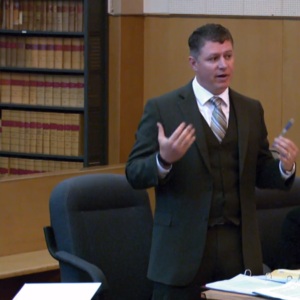
Attorney Mike Arnold, representing the appellant, successfully reversed a trial court ruling that had improperly dismissed the case at the anti-SLAPP stage. The decision now serves as a core reference point in Oregon anti-SLAPP litigation.
What the Case Was About
The case arose out of workplace and law-enforcement-related accusations made against the plaintiff. The defendant reported alleged misconduct to supervisors and to law enforcement, which ultimately led the plaintiff to file a civil action alleging defamation and wrongful use of civil proceedings.
The defendant responded with a special motion to strike under Oregon’s anti-SLAPP statute, arguing that the plaintiff’s claims arose out of protected petitioning activity and that the plaintiff could not meet the statutory burden required to proceed.
The trial court agreed with the defendant and granted the anti-SLAPP motion, effectively ending the case at the pleading stage.
The Anti-SLAPP Legal Framework at Issue
Oregon’s anti-SLAPP statute, ORS 31.150, establishes a two-step analysis:
1. Protected Activity Inquiry
2. The defendant must first show that the plaintiff’s claim arises out of speech or conduct protected by the statute, such as statements made in a judicial or official proceeding or in connection with an issue of public concern.
3. Plaintiff’s Burden of Production
4. If the defendant meets that initial burden, the plaintiff must then show a probability of prevailing by presenting substantial evidence to support a prima facie case.
The dispute in Young v. Davis centered on how courts should apply the second step.
The Trial Court’s Error
The Court of Appeals explained that the trial court misapplied the statute by effectively treating the anti-SLAPP motion as a mini-trial on the merits.
Rather than asking whether the plaintiff’s evidence, if believed, was sufficient to support each element of the claims, the trial court:
• Compared the plaintiff’s evidence against the defendant’s evidence
• Assessed credibility
• Evaluated whether the plaintiff was “likely” to succeed in an ultimate sense
The appellate court emphasized that this approach was inconsistent with the statute’s text and purpose.
The Court of Appeals’ Holding
The Oregon Court of Appeals reversed, explaining that:
• The term “probability” in ORS 31.150 does not authorize courts to resolve factual disputes
• “Substantial evidence” means evidence from which a reasonable factfinder could find in the plaintiff’s favor if the evidence were believed
• The anti-SLAPP statute does not permit weighing evidence, resolving conflicts, or making credibility determinations
The court underscored that the plaintiff’s burden at the anti-SLAPP stage is intentionally modest. The statute is designed to screen out claims that lack evidentiary support, not to deprive plaintiffs of a jury where substantial evidence exists.
Because the plaintiff had presented evidence supporting the elements of defamation and wrongful use of civil proceedings, the trial court was required to deny the motion to strike.
Why Young v. Davis Is a Pivotal Anti-SLAPP Decision
Young v. Davis is frequently cited and relied upon because it:
• Clarifies the meaning of “substantial evidence” under ORS 31.150
• Prevents misuse of anti-SLAPP motions as premature dispositive tools
• Protects plaintiffs from having their cases dismissed simply because defendants offer competing evidence
• Reinforces that anti-SLAPP is procedural, not a merits determination
In practical terms, the case ensures that anti-SLAPP motions do not become a shortcut to summary judgment without discovery.
Attorney Mike Arnold’s Role and Impact
Attorney Mike Arnold’s appellate advocacy in Young v. Davis helped define how anti-SLAPP motions are litigated across Oregon.
The decision reflects:
• Oregon statutory interpretation
• Strategy of procedural safeguards in defamation and reputational litigation
• Importance of experience in taking complex cases from trial court through successful appeal
This case forms part of a broader body of work in which Attorney Arnold has consistently challenged overbroad applications of anti-SLAPP statutes and protected clients’ rights to have legitimate claims heard.
Why This Case Still Matters Today
For anyone dealing with:
• Defamation lawsuits in Oregon
• Anti-SLAPP motions under ORS 31.150
• Claims dismissed too early based on credibility disputes
• Speech-related litigation involving private disputes
Young v. Davis remains essential reading.
It stands for the principle that courts must apply the statute as written, not as a substitute for trial.
Courts in Oregon draw a clear line between protected opinion and actionable defamation.
A statement framed as “I believe” or “in my opinion” does not automatically escape liability. If the comment implies undisclosed facts that would lead a reasonable person to believe the accusation is true, the speaker can be sued for defamation.
Below is a breakdown of Oregon’s law on defamatory opinions, drawn from controlling case law and the Restatement (Second) of Torts, using a generic example instead of any reference to an actual case.
Oregon’s strict approach to opinion-based defamation is grounded in constitutional law. Article I, Section 8 of the Oregon Constitution provides robust protection for free expression, which is why courts are cautious about allowing defamation claims based on rhetoric, belief, or subjective commentary.
At the same time, the Constitution does not protect false factual accusations. The opinion doctrine exists to preserve free speech while preventing speakers from laundering defamatory facts through labels like “belief,” “opinion,” or “concern.” This balance explains why Oregon courts focus on what facts a statement implies to a reasonable listener, not how the speaker frames it.
If you are reading this because someone is falsely accusing you of something serious, you are not alone. Many defamation cases in Oregon begin with vague allegations, social media posts, or accusations framed as opinions that quickly start to spread.
People often search for answers after realizing an accusation is being repeated, believed, or treated as fact. Understanding whether a statement is protected opinion or actionable defamation is often the first and most urgent question.
The Legal Standard: Opinions That Imply Facts Can Be Actionable
Opinions, as “statements that cannot reasonably be interpreted as stating actual facts,” are protected under the Constitution. But when an “opinion” implies the existence of undisclosed defamatory facts, it becomes actionable. Hickey v. Settlemier, 141 Or. App. 103, 110, 917 P.2d 44, rev den, 323 Or. 690 (1996).
This doctrine is routinely litigated at the outset of a case. Courts determine whether a statement is fact or opinion as a matter of law, often before discovery, because constitutionally protected opinion cannot be submitted to a jury.
If a statement implies false facts, the plaintiff’s right to a jury trial under Article I, Section 17 remains intact. If it does not, the case ends. This makes opinion analysis a gatekeeping function that frequently decides defamation cases at the motion stage.
For example, a person might say:
“In my opinion, my ex is dangerous. I think he will kill me.”
If the speaker does not disclose any facts supporting that belief, a listener naturally assumes there must be undisclosed violent conduct that justifies the fear. That implication itself is defamatory.
This reflects the exact principle in Hickey: opinions tied to fully disclosed facts are protected. Opinions implying hidden facts are not.
Courts Decide Whether a Statement Is Fact or Opinion
Whether something is treated as fact or opinion is a question of law for the court. Labeling something “my opinion” does not shield it from scrutiny.
This legal determination is central to anti-SLAPP litigation. Defendants routinely argue that statements are protected opinion to trigger early dismissal, while plaintiffs must demonstrate that the statements imply verifiable facts and therefore fall outside constitutional protection.
Because courts decide this issue early, plaintiffs must be prepared to articulate the implied facts, the context in which the statements were made, and why a reasonable listener would understand them as factual accusations rather than subjective commentary.
Many people encountering defamation for the first time become alarmed when they read about Oregon’s anti-SLAPP statute. Anti-SLAPP is not blanket immunity for false accusations. It is a procedural screening mechanism that depends heavily on whether a statement is fact or opinion, public or private, and whether it implies false facts.
As Bock explains, an opinion based on implied but undisclosed facts leads the recipient to conclude that the speaker knows something incriminating. If someone says:
“I believe he’s violent”
and provides no factual explanation, courts treat it as implying that the accused has engaged in violent conduct.
The Restatement (Second) of Torts § 566 recognizes this same rule.
Indirect or “Opinion-Based” Criminal Accusations Are Still Defamation
Oregon has long held that couching an accusation as a belief or rumor does not protect it. Lowe v. Brown, 114 Or. 426, 430-41, 233 P. 272 (1925).
Statements such as
“There is strong reason to believe he assaulted someone” or “If reports are true, he committed domestic violence”
are treated as direct factual allegations. The law does not allow someone to avoid responsibility by adding “I believe” or “I heard” in front of an accusation of criminal conduct.
Even a general statement like
“I believe he stole money”
is actionable per se because it alleges a felony.
Statements Implying Undisclosed Evidence of Crime
When someone says something like:
“There will be criminal charges filed against him”
without disclosing what facts support that assertion, Oregon courts treat it as implying that the speaker has specific knowledge of criminal behavior.
This comes from Cushman v. Day, 43 Or. App. 123, 126-27, 602 P.2d 327 (1979). The court held that the statement suggested the speaker knew facts showing each accused person committed a crime, making it actionable.
What the Restatement Says About “Pure” vs “Mixed” Opinion
Restatement (Second) of Torts § 566 divides opinions into two categories:
Pure opinion:
The speaker discloses the nondefamatory facts and then offers a conclusion.
Example: “I saw him drinking every day at 5 pm on his porch. Based on that, I think he might be an alcoholic.”
This is not actionable.
Mixed opinion:
The speaker implies they know additional undisclosed facts.
Example: “I think he’s an alcoholic,”
with no disclosure of any supporting observations.
A jury could find this actionable because it implies hidden facts.
Why Generic Accusations Based on “Something Happened” Are Dangerous
People often describe events in their lives and then jump to a conclusion about who is responsible. When the speaker fails to articulate any logical basis connecting the conclusion to the person accused, the law treats this as implying undisclosed facts.
For example, someone might say:
“Something happened to my car. I think my ex did it.”
If the speaker offers zero evidence connecting the ex to the damage, the statement implies that the speaker knows additional facts justifying the accusation. That implication is defamatory.
Statements like:
“I’m dealing with a nasty situation with an ex” or “I’m afraid of him because of our history”
carry the same implication: that there are undisclosed reasons to believe the person has engaged in violence or criminal behavior.
Practical Illustration from the Restatement
Illustration 3:
“I think he must be an alcoholic.”
Actionable, because it implies hidden facts.
Illustration 4:
“He moved here six months ago. I’ve seen him outside twice with a drink at 5:30 while listening to the radio. I think he must be an alcoholic.”
Not actionable. Facts are disclosed, and none are defamatory.
TIMING, PROCEDURE, AND LITIGATION REALITIES
Opinion-based defamation disputes move quickly in Oregon. Defamation claims must generally be filed within one year, and anti-SLAPP motions often force early evidentiary showings before discovery has meaningfully occurred.
As a result, investigation, witness identification, and contextual analysis must be completed early. Plaintiffs cannot rely on later discovery to explain implied facts. The work must be done before filing or immediately after, under compressed deadlines.
These cases are high-pressure, high-stakes, and expensive to litigate correctly. Reputations can collapse quickly, especially when accusations involve crime, abuse, or professional misconduct. This reality is why preparation is not optional.
Why These Rules Matter in Real Accusations
When someone tells others that they fear a person or that they believe someone committed a crime, and they do not explain any factual basis for the belief, the law treats this as a statement of fact disguised as opinion. That is because the listener will naturally assume the speaker has real evidence or firsthand knowledge.
In other words, the law protects opinions based on known facts.
The law does not protect accusations implying secret facts.
Understanding when an opinion crosses the line into defamation is critical for both potential plaintiffs and defendants. Oregon law protects speech aggressively, but it does not protect accusations that imply false facts while avoiding accountability through phrasing.
People often arrive at this issue by searching phrases like “someone is lying about me,” “false accusations online,” “can I sue if someone says it’s their opinion,” or “Oregon defamation anti-SLAPP.” These questions usually arise when an accusation has already begun to affect work, licensing, or standing in the community.
Whether a statement is actionable depends on context, implication, and timing. Those questions are often decided early, before a jury ever hears the case, which is why early legal analysis matters.
Stop False Accusations Before They Damage Your Reputation
False accusations spread faster than the truth. One comment, one Reddit post, one vague “warning” can turn into a narrative about you. If you are seeing early signs of a smear campaign or want a system to catch problems before they erupt, this page is for you.
What Counts as Defamation Under Oregon Law
Oregon protects free expression, but it does not protect lies presented as facts. You may have a defamation claim when someone publishes:
1. A false statement of fact
2. Communicated to others
3. That harms your reputation
Posts that accuse you of criminal acts, abuse, harassment, dishonesty, unprofessional behavior, or unethical conduct can cross that line into actionable defamation or false light or simply imply false facts.
OREGON’S STRONG FREE SPEECH PROTECTIONS
Oregon defamation law is shaped by Article I, Section 8 of the Oregon Constitution, which provides strong and often broader protection for speech than the federal First Amendment. As a result, Oregon courts construe defamation claims narrowly and are cautious about lawsuits that punish speech.
Not every false, unfair, or damaging statement is legally actionable. To qualify as defamation in Oregon, the statement must be a false assertion of fact, not rhetoric, exaggeration, or protected opinion, and it must cause legally cognizable reputational harm. Oregon law favors open discourse and places strict limits on when speech crosses the line into defamation.
This is why early legal analysis matters. Many disputes that feel defamatory do not meet Oregon’s legal standard once constitutional protections are applied.
Search terms people use to find help:
• Oregon defamation lawyer
• False accusations online
• Online slander attorney
• Libel and defamation Oregon
• Internet defamation attorney
• Oregon reputation protection
• Someone is lying about me online
How to Monitor Social Media for False Accusations
Most clients discover a lie about them only after it has already spread. Monitoring is not paranoia. It is protection.
A strong monitoring setup includes:
• Alerts for your name and business
• Searches for variations of your name
• Keyword triggers like “scam” “fraud” “predator” “lawsuit” “unsafe”
• Manual sweeps of Google, Reddit, X Twitter, Facebook, YouTube, TikTok, and Oregon news comment sections
This is how you find online defamation and false accusations the moment they appear.
What To Do When You Find a Defamatory Post
If you locate a concerning post:
1. Preserve the evidence Screenshot entire threads, usernames, timestamps, URLs, and surrounding context.
2. Document everything Save the link. Note the platform and the date.
3. Do not respond publicly until counsel reviews it Most people accidentally destroy evidence or escalate the situation.
4. Consider next steps This could include content removal requests, cease and desist letters, preservation demands, or litigation if necessary.
Public responses often make the situation worse. Engaging online can escalate the dispute, amplify the false statement, and strengthen defenses for the speaker.
Quoting or reposting the statement yourself can complicate evidence, context, and timing issues. Preserving evidence and pausing before responding is often the safest first step until counsel reviews the situation.
THE ONE-YEAR DEADLINE AND WHY DISCOVERY DOES NOT EXTEND IT IN OREGON
In Oregon, defamation claims including libel and slander are subject to a short deadline. In most cases, a lawsuit must be filed within one year of the date the statement is published.
Oregon generally does not apply the injury discovery rule to defamation claims. The clock usually starts when the statement is made public, not when you discover it. This reflects Oregon’s strong constitutional protection of speech and the state’s interest in certainty and finality for public statements.
Waiting to see whether a statement spreads or causes damage often results in losing the right to sue entirely. Finding a defamatory statement late rarely extends the deadline.
Why Work with an Oregon Defamation Attorney Instead of a Marketing Agency
• Most “reputation management” companies bury search results with positive content. That does nothing to stop the lie at the source.
• They do not send cease and desist letters.
• They do not investigate.
• They do not try cases.
• They do not protect your legal rights.
When you are dealing with real defamation—especially allegations of crime, abuse, harassment, corruption, fraud, or misconduct—you need a lawyer who understands:
• Oregon defamation law
• Oregon Constitutional speech protections
• How courts interpret online statements
• How to stop online slander before it goes viral
• How to preserve evidence for litigation
• This is legal defense, not marketing.
Who This Oregon Defamation Prevention Service Is For?
You benefit from this page if you:
• Are facing false accusations on social media
• See early signs of a smear campaign
• Want a system to monitor and protect your reputation
• Hold a sensitive position where lies can ruin a career
• Believe someone is preparing to publish false statements
• Are searching for “defamation lawyer near me” or “Oregon internet defamation attorney”
• Want to understand your rights before the problem escalates
• You do not have to wait until the damage is done.
Get a Legal Review Before the Accusations Spread
If you are worried about false statements, online rumors, or potential defamation in Oregon, it makes sense to get legal eyes on the situation now.
FAQ:
Q: Can I sue someone in Oregon for lying about me online
A: You can if they published a false statement of fact to others and it harmed your reputation. Opinions and insults may not qualify.
Opinions are protected only when they do not imply false underlying facts. Simply adding phrases like “in my opinion” or “I think” does not make a statement immune from defamation law.
If an opinion communicates or implies the existence of undisclosed defamatory facts, it can still be actionable. Oregon courts focus on context and how a reasonable reader or listener would understand the statement, not on labels or disclaimers.
For example, saying “I dislike him” or “I think he is a bad person” is usually protected opinion. Saying “in my opinion he is a sex offender” implies a specific, verifiable factual assertion. If that assertion is false, it may constitute defamation regardless of phrasing.
The key question is whether the statement can be proven true or false and whether it suggests factual knowledge.
Q: What if the person is anonymous?
A: There are legal procedures to identify anonymous posters, depending on what they said and the platform.
Q: What if someone spreads rumors about me on Facebook or Reddit?
A: If they state false facts that harm your reputation, that may be actionable. If they express opinions, it may be protected speech.
Q: Do I need proof of financial loss?
A: Some statements are so serious that harm is presumed. Others require evidence of actual damage. It depends on the exact wording and context.
Q: How long do I have to file a defamation claim in Oregon?
A: The timeline is limited. You should get legal advice immediately to preserve your rights.
Q: DOES THE DISCOVERY RULE APPLY TO DEFAMATION CASES IN OREGON
A: Generally, no. In Oregon, defamation claims usually must be filed within one year of publication, not discovery. This reflects Oregon’s strong constitutional protection of speech and interest in finality.
Q: DOES SAYING “IN MY OPINION” MAKE A STATEMENT SAFE
A: No. Labeling a statement as opinion does not automatically protect it. Courts analyze whether the statement implies false underlying facts and whether it can be proven true or false.
False accusations can destroy a career, a business, or a community reputation long before anyone ever sets foot in a courtroom.
When someone crosses the line from protected speech into defamatory conduct, Oregon law provides remedies. The challenge is knowing how to pursue those remedies without getting buried by an anti-SLAPP motion or procedural traps.
This is where our practice focuses.
We represent individuals who have been falsely accused of misconduct, criminal behavior, or professional wrongdoing, and who need a lawyer that understands how defamation, anti-SLAPP law, and related intentional torts actually work in Oregon courts.
What Makes These Cases Different
Defamation cases are not like other civil cases.
They are fast, technical, and often front-loaded with dispositive motions. Defendants frequently attempt to shut cases down early by invoking Oregon’s anti-SLAPP statute, arguing that false statements are somehow “protected speech.”
Most lawyers either avoid these cases or treat them like ordinary tort claims. That is a mistake.
We approach defamation cases with the expectation that an anti-SLAPP motion is coming, and we build the case accordingly from day one.
Oregon defamation and reputation litigation exists in a constitutional tension. On one hand, Article I, Section 8 of the Oregon Constitution provides strong protection for free expression. On the other, Article I, Section 17 guarantees that the right to trial by jury shall remain inviolate.
Anti‑SLAPP is a statutory mechanism designed to reconcile those competing interests. It allows courts to screen out claims that improperly target protected speech, while preserving the jury’s role where a plaintiff can establish a prima facie case based on false factual assertions and real harm.
Anti‑SLAPP is not a substitute for the jury trial right, and it is not a license to lie. It is a procedural filter. How a case is investigated, pleaded, and supported determines whether it passes through that filter or is dismissed at the outset.
Our Focus Areas
Defamation (Libel and Slander)
We handle defamation claims involving false statements made in emails, social media posts, workplace gossip, community organizations, youth sports settings, and private conversations that damage a person’s reputation.
Common scenarios include:
• False accusations of criminal conduct
• Allegations of sexual misconduct or being “unsafe” around others
• Claims that a person abused authority or retaliated against others
• Statements that damage professional standing or community trust
Calling something an “opinion” does not automatically make it non-defamatory. Context matters, and many so-called opinions imply false facts.
Labeling a statement as an opinion does not immunize it from defamation analysis if the statement presumes the existence of false facts. In Oregon, courts focus on what facts a statement communicates to a reasonable listener, not the speaker’s choice of words.
Statements framed as opinions can still be defamatory when they imply verifiable factual conduct, such as criminal behavior, sexual misconduct, abuse of authority, or professional wrongdoing. The defamatory force lies in the presumed facts, not the disclaimer.
For example, saying “in my opinion this person is a serial killer,” a sex offender, abusive, corrupt, or unsafe presumes specific factual acts. If those presumed facts are false, the statement may be actionable regardless of phrasing.
Courts analyze context, audience, and whether the statement suggests factual knowledge. This doctrine is central to defamation liability and to whether a claim survives an anti‑SLAPP motion.
Anti-SLAPP Strategy (ORS 31.150)
Oregon’s anti-SLAPP statute is frequently misunderstood and misused. It does not provide blanket immunity for false statements, private gossip, or personal vendettas.
We regularly litigate both sides of anti-SLAPP motions and understand how courts analyze:
• Whether speech is actually protected
• Whether a claim arises from a public issue or a private dispute
• Whether the plaintiff can establish a prima facie case
Our goal is not just to survive anti-SLAPP, but to put the case in a position to move forward with leverage.
Anti‑SLAPP litigation is particularly demanding for plaintiffs. Oregon’s statute requires an early evidentiary showing, often before traditional discovery has occurred. Investigation, witness development, and corroboration must be completed quickly and largely before filing.
The one‑year statute of limitations for defamation adds pressure. A plaintiff must file promptly while also being prepared to defeat a fast‑moving dispositive motion. This creates a narrow window where speed, preparation, and precision all matter.
These cases are high‑pressure, high‑stakes, and expensive to prosecute correctly. That reality is why many lawyers avoid them and why preparation cannot be improvised after a motion is filed.
Intentional Interference with Economic and Professional Relations
Defamation rarely exists in isolation.
False statements often interfere with a person’s ability to work, volunteer, lead, coach, or maintain professional standing. Oregon law recognizes claims for intentional interference with economic and professional relations, even where there is no formal employment contract.
This includes interference with:
• Professional reputation and standing
• Ongoing or prospective business relationships
• Leadership or volunteer roles that carry reputational and career significance
Defamation itself qualifies as improper means under Oregon law and can support an interference claim when it damages professional opportunities.
Intentional Infliction of Emotional Distress
Some conduct goes beyond reputational harm.
A sustained campaign of knowingly false accusations—especially those involving children, sexual misconduct, or criminal behavior—can constitute an extraordinary transgression of the bounds of socially tolerable conduct.
When appropriate, we pursue intentional infliction of emotional distress claims alongside defamation and interference claims.
SPEED, PREPARATION, AND COST REALITIES
Defamation and reputation cases move faster than most civil litigation. Evidence must be preserved immediately. Declarations and corroboration often must be assembled before filing. Anti‑SLAPP deadlines compress timelines and force early strategic decisions.
This is not slow litigation. It rewards preparation and penalizes hesitation. Clients considering these cases should understand that success depends on early investigation, disciplined pleading, and the willingness to litigate aggressively at the outset.
How We Approach These Cases
We are deliberate and strategic.
That means:
• Building a clean factual timeline early
• Separating pleadings from evidence
• Anticipating anti-SLAPP arguments before they are filed
• Using investigator declarations and corroboration effectively
• Framing the case as a coherent course of conduct, not isolated incidents
These cases reward preparation and precision. We do not rush them, and we do not bluff.
Who This Practice Is For
This practice is designed for:
• Professionals falsely accused of misconduct
• Coaches, volunteers, or leaders accused of being “unsafe” or abusive
• Business owners harmed by false statements in their community
• Individuals targeted by personal vendettas masquerading as “concern”
If your situation involves false statements that are damaging your reputation or professional life, this is a space where early legal strategy matters.
Consultation
Not every insult or dispute is defamation. We are candid about that.
If we take your case, it’s because the facts support a legally viable claim and a clear strategy. We do not take contingency cases in this area. Representation is typically hourly or minimum flat-fee, depending on the posture of the case.
To discuss whether your situation fits this practice, contact our office to schedule a consultation.
What is an anti-SLAPP motion in Oregon? Frequently Asked Questions (FAQ)
An anti-SLAPP motion is a special motion to strike under ORS 31.150 that allows a defendant to seek early dismissal of a lawsuit they claim arises from protected speech or petitioning activity.
Anti-SLAPP laws are intended to prevent lawsuits that are designed to chill participation in public affairs. They are not intended to protect false statements, private smear campaigns, or personal vendettas.
If you are reading this page, it is usually because someone has accused you of something serious and you are now being told that an “anti-SLAPP motion” may end your case before it begins. For many people, this is the first time they have encountered ORS 31.150, and the statute can appear overwhelming.
Anti-SLAPP litigation often arises in moments of real crisis. False accusations involving crime, abuse, professional misconduct, or safety concerns can trigger immediate consequences long before a court ever hears the case. Understanding how anti-SLAPP actually works in Oregon is often the difference between losing a case early and preserving the right to have it heard.
Oregon’s anti-SLAPP statute exists within a constitutional framework. Article I, Section 8 of the Oregon Constitution provides strong protection for free expression, while Article I, Section 17 guarantees that the right to trial by jury shall remain inviolate.
Anti-SLAPP is a statutory screening mechanism designed to balance those constitutional commands. It allows courts to dispose of claims that improperly target protected speech, while preserving jury trials where a plaintiff presents substantial evidence of false factual statements and resulting harm.
Anti-SLAPP is not a substitute for the jury trial right and not a blanket immunity for speech. It is a procedural filter, and whether a case passes through that filter depends on how it is investigated and supported from the outset.
Q: Does an anti-SLAPP motion automatically end my case?
No.
An anti-SLAPP motion does not automatically dismiss a case. It triggers a two-step legal analysis. If the defendant fails at either step, the motion must be denied.
Many anti-SLAPP motions fail because defendants assume the statute provides broader protection than it actually does.
Q: What is the two-step anti-SLAPP analysis in Oregon?
Step One: Protected Activity
The defendant must first show that the plaintiff’s claim arises out of activity protected by ORS 31.150, such as:
• Statements made in a judicial or official proceeding
• Statements made in connection with an issue under review by a government body
• Statements made in a public forum about an issue of public interest
If the defendant cannot meet this burden, the motion fails.
Step Two: Plaintiff’s Burden (This Is Where Most Cases Are Won or Lost)
If the defendant meets the first step, the burden shifts to the plaintiff to show a probability of prevailing by presenting substantial evidence supporting a prima facie case.
Importantly, this does not require proving the entire case at this stage.
For plaintiffs, the two-step analysis creates intense time pressure. Defamation claims must generally be filed within one year, and anti-SLAPP motions force early evidentiary showings before full discovery occurs.
This means investigation, witness identification, and declaration preparation must happen quickly. Plaintiffs cannot rely on later discovery to develop their case. Anti-SLAPP litigation is front-loaded, fast-moving, and unforgiving of delay.
Q: What does “substantial evidence” mean under Oregon anti-SLAPP law?
Under Oregon law, “substantial evidence” means enough evidence that a reasonable factfinder could rule in the plaintiff’s favor if the evidence were believed.
The court may not:
• Weigh evidence
• Decide credibility
• Choose which side’s evidence is stronger
This standard was clearly articulated by the Oregon Court of Appeals in Young v. Davis, a landmark anti-SLAPP decision.
Q: Can a judge decide who is telling the truth at the anti-SLAPP stage?
No.
Oregon courts have made clear that anti-SLAPP motions are not mini-trials. Judges are not allowed to decide who is more credible or which version of events is more convincing.
If the plaintiff presents substantial evidence supporting each element of the claim, the motion must be denied—even if the defendant disputes those facts.
Q: Are false statements protected by anti-SLAPP laws?
No.
Anti-SLAPP laws do not protect knowingly false statements, reckless disregard for the truth, or private defamatory conduct.
Statements made in private conversations, workplaces, community organizations, or informal settings are often not protected, especially when they are unrelated to public issues or official proceedings.
Q: Is calling someone a “predator” or accusing them of misconduct protected speech?
Not automatically.
Whether a statement is protected depends on:
• The context in which it was made
• Whether it was made in a protected proceeding or forum
• Whether it implies false statements of fact
In Oregon, accusations that imply criminal or sexual misconduct—especially in private or community settings—are often defamatory per se and not shielded by anti-SLAPP statutes.
Statements framed as opinions do not automatically qualify for anti-SLAPP protection. Oregon courts analyze whether the statement implies false underlying facts and whether a reasonable listener would understand it as a factual accusation.
Accusations of criminal conduct, sexual misconduct, abuse, or being unsafe—especially when made without disclosing any factual basis—often imply undisclosed facts. Those implied facts are what make a statement actionable and what remove it from constitutional protection.
This opinion-versus-fact analysis is frequently decisive at the anti-SLAPP stage.
Q: Can defamation claims survive an anti-SLAPP motion in Oregon?
• The statements were made outside protected proceedings
• The statements involve private disputes, not public issues
• The plaintiff presents substantial evidence of falsity and publication
Anti-SLAPP is not a defamation immunity statute.
Q: What kinds of evidence can be used to defeat an anti-SLAPP motion?
At the anti-SLAPP stage, plaintiffs commonly rely on:
• Sworn declarations or affidavits
• Investigator declarations
• Documents showing publication of false statements
• Circumstantial evidence establishing context, motive, and pattern
Because discovery is often stayed, plaintiffs must rely heavily on early evidence. This front-loaded requirement makes anti-SLAPP litigation expensive and resource-intensive at the outset.
These cases reward preparation and penalize improvisation. Evidence must be preserved immediately, and strategy must be set before the first motion is filed.
Discovery is often stayed, which is why early case preparation matters.
Q: Can I add claims other than defamation to survive anti-SLAPP?
Yes.
In appropriate cases, plaintiffs may also assert claims such as:
• Intentional interference with economic or professional relations • Intentional infliction of emotional distress
Defamation often serves as the “improper means” supporting these additional claims.
Q: Does anti-SLAPP apply to private disputes?
Not usually.
Oregon courts have consistently held that purely private disputes—including workplace conflicts, personal vendettas, and community disputes—do not implicate the public interest simply because speech is involved.
Anti-SLAPP protection is narrow and context-specific.
Q: What is the most common mistake plaintiffs make in anti-SLAPP cases?
The most common mistakes are:
• Treating anti-SLAPP like an ordinary motion to dismiss
• Failing to submit sworn evidence
• Over-pleading legal argument instead of facts
• Not anticipating the motion from the outset
Anti-SLAPP cases require a different strategy than ordinary civil litigation.
Q: Do I need a lawyer experienced with anti-SLAPP motions?
Yes.
Anti-SLAPP litigation is procedural and unforgiving. Missed deadlines, insufficient declarations, or improper framing can end a case before it begins.
An attorney who understands both defamation law and ORS 31.150 is critical to surviving an anti-SLAPP motion.
Q: How does Young v. Davis affect anti-SLAPP cases today?
Young v. Davis clarified that Oregon courts must:
• Apply the “substantial evidence” standard correctly
• Avoid weighing evidence or deciding credibility
• Deny anti-SLAPP motions when plaintiffs meet their burden
It remains one of the most important Oregon anti-SLAPP cases for plaintiffs.
Q: Talk to a Lawyer About Anti-SLAPP in Oregon
If your case involves false statements, reputational harm, or a threatened anti-SLAPP motion, early legal advice matters.
Surviving an anti-SLAPP motion often determines whether a case moves forward at all.
Anti-SLAPP litigation in Oregon is not theoretical. It determines whether a defamation or reputation case survives long enough to reach discovery or a jury.
If you are facing false accusations and an anti-SLAPP motion is threatened or filed, early legal strategy matters. Timing, evidence, and framing often decide the case before the merits are ever tried.
I heard the firm was the ‘best’ I agree. They are by far the best firm in all of Oregon. Mike Arnold and his team kept me positive in a bad situation. They believed in me 110% all into it. They came to visit at the jail as much as possible sharing insights on my case. It was never one day I didn’t know what was going on.
In the early hours of the morning, law professors wonder whether anything we do makes the world a better place. Today, I feel pretty sure that the answer is yes. That’s because, on January 28, I awoke to a televised image of Ammon Bundy’s lawyer, Mike Arnold of Eugene, Oregon, reading a statement urging the other Malheur protesters to stand down. Arnold is a former student of mine. I couldn’t be prouder.
Mike Arnold is an aggressive attorney that doesn’t mess around. I would recommend him to anyone. Thanks for helping me. I don’t think I have ever been so scared or felt so helpless and I’m thankful I know you guys.
Francisco Segarra and the team at the Law Office of Mike Arnold stepped in and fought fiercely for us. They were strategic, honest, and relentless—always keeping us informed and grounded in a clear plan.
Because of them, we came out stronger and finally saw justice done
I am not a resident of Oregon and was put in the awkward position of finding a competent attorney for my son who had just been charged with a very serious felony while attending a university here. My wife and I interviewed a number…
Mike is amazing said resident Susan Hungerford. She said that several jurors told Arnold after her son’s [manslaughter] trial that they would call him if they ever got into legal trouble. ‘They were all over him, congratulating him,’ Hungerford said.
I was impressed watching Mike Arnold in his element during a suppression hearing. He is a very confident and knowledgeable attorney in the courtroom, but he also has a realness about him that I really appreciate. Thank you all for everything you are doing to try to help me in this matter.
Mike is an Oregon Attorney and Entrepreneur who has a passion pursuing what conventional wisdom considers long shots or lost causes, particularly when it involves speaking truth to power.
Mike is experienced in jury trials and complex criminal and civil litigation involving multiple parties and witnesses, voluminous discovery, expert witnesses, and high stakes.
We would like to hear from you. Please send us a message by filling out the form below and we will get back with you shortly. Do not send confidential information. This does not form an attorney-client relationship. No action will be taken on your behalf unless agreed to in writing by the attorney. Perhaps we already represent someone adverse to you, so keep your comments general (type of case, name of parties for a conflict check, jurisdiction, etc.)


























 Legal Issues Addressed
 Legal Issues Addressed



 CONSTITUTIONAL TENSION: FREE SPEECH VS JURY TRIAL RIGHTS