A trial starts long before opening statements—while jurors are still strangers, sitting in a box, not yet sworn in. And Voir dire is more than jury selection. It’s a search for bias, and a critical opportunity to lay the groundwork for how the jury will hear everything that follows.
When done right, we don’t just find the right jurors—we shape how they think.
In this blog, you’ll learn:
• Why voir dire is often the only chance to speak with jurors, not at them
• How skilled defense attorneys use questions to teach, not persuade
• Why early framing affects how jurors absorb evidence
• What kinds of hidden assumptions must be surfaced before trial even begins
Voir dire isn’t about picking likable jurors or ones who “seem fair.” It’s about surfacing the unconscious stuff—snap judgments, cultural assumptions, personal histories—that might quietly override everything else. That can’t be fixed in closing arguments. It has to happen before jurors even take the oath. Because once the evidence starts rolling, it’s too late to untangle how people think.
This is also the only time we can have a real conversation with jurors. In every other phase, we talk to them. In voir dire, we talk with them. That’s the window. We don’t use it to convince—we use it to prepare. To help them understand what “beyond a reasonable doubt” actually means. To challenge their instinct to assume guilt. To introduce the idea that real defendants are flawed, complex, human. Not caricatures.
Good voir dire isn’t just about who ends up on the panel. It’s about the mindset they carry once they’re seated. Jurors don’t walk in the door with perfect neutrality—that’s a myth. But if we ask the right questions, in the right way, we can clear enough space in their thinking to make a fair trial possible.
Every criminal trial is actually two trials. One unfolds in the courtroom—testimony, objections, legal arguments, and rulings. The other plays out silently, in the minds of jurors, attorneys, and even the judge. These two tracks rarely move in sync. And for defense attorneys, that split reality is where strategy lives or dies.
In this blog you’ll learn:
Why every trial runs on two tracks: what happens in court and what happens in jurors’ minds
How defense attorneys decide when to reveal key weaknesses in the prosecution’s case
The difference between truth-seeking prosecutors and true believers—and why it matters
Why strategic restraint can be more powerful than confrontation in securing a just verdict
On paper, the burden is clear: the state must prove its case beyond a reasonable doubt. But in reality, jurors walk in with bias. They see an arrest and assume guilt. They hear an accusation and feel outrage. They don’t naturally think like lawyers—they think like humans. So, the defense must navigate two challenges at once: countering the state’s story in the courtroom, and rewiring how jurors process it.
That’s why defense attorneys often hold back. They delay the reveal of fatal flaws in the prosecution’s case. It’s not misdirection. It’s respect for the process. A well-timed surprise in cross-examination can do more than a thousand words in opening argument. It can expose overconfidence, highlight contradictions, and jolt a juror out of assumption and into doubt.
But timing isn’t just about tactics. It’s about psychology. Because not all prosecutors are created equal. Some are truth-seekers—willing to confront new facts and reconsider their theories. Others are true believers. These DAs see the defense as an obstacle, not a partner in the search for justice. To them, every contradiction is a threat, every objection a challenge to their identity. That mindset drives weak cases to trial. And that’s where things unravel.
When the defense spots a gaping hole in the prosecution’s case, they face a choice: reveal it early and risk the other side patching it up, or wait and expose it when it matters most. The decision hinges on understanding who’s sitting across the aisle. Because the real drama of trial isn’t always on the record. It’s the unspoken chess match between two visions of justice—one grounded in humility and truth, the other in narrative and ego.
That’s why great defense work isn’t about theatrics. It’s about reading people. It’s about protecting jurors from their own instincts, dismantling bad logic, and guiding them back to the only standard that matters: proof beyond a reasonable doubt. In a system built on stories, the best defense is clarity.
As a trial lawyer specializing in criminal defense, false accusations, or high-stakes corporate litigation, one of your main goals at trial is to entertain the jury. There are no great hero journey stories that fail to entertain. If a story doesn’t entertain, it’s forgotten. It’s lost to the ages, never to be remembered.

Whether you’re defending someone wrongly accused of serious crimes or fighting corporate battles in civil court, your trial should be talked about by jurors, cops, your client—and you—for years and years to come. The only way to achieve this lasting impact is through entertainment.
Never miss the opportunity to make the jury laugh, be clever, or land the perfect comeback. Anyone who is good at clever comebacks is good at cross-examination, good at objections, and good at thinking quickly on their feet. Cleverness and quick wit are critical courtroom tools—that’s your storyteller muscle.
From day one, especially in complex criminal defense cases involving false accusations or detailed corporate disputes with voluminous discovery, you should draft your cross-examination with entertainment in mind. To entertain, you must deliver content and information in a digestible, engaging way. Cross-examination is rapid-fire delivery of bite-sized fact packets—no overly complex questions unless needed for follow-up or dramatic effect.
Impeachment typically follows a simple formula: Commit, Credit, Confront, then Stop:
Commit
“You say X. Are you sure about X?”
Credit
“You remember swearing to tell the truth at your deposition or when speaking to investigators when things were fresher in your mind?”
Confront
“Do you remember me asking you such and such question, and your response was ‘not X’?” Then play the deposition or interview audio or show them the report. If they deny something you don’t have audio for, make a note to ask the impeachment witness.
Stop
Stopping is usually the last step of cross-examination—don’t let the witness talk their way out of it.
Unless…it’s clever and entertaining to point out their ridiculousness. Recognizing when to press further or let humor shine comes with experience. Always remember: If the jurors are entertained, they remember.
Chapters, Scenes, and the Rapid-Fire Flow State
Cross-examination should be divided into clear chapters, each with distinct topic areas or scenes. You may have multiple impeachments within one chapter, but you never pause mid-scene. Pauses can happen between scenes, giving you time to reset and reload, but never during active cross-examination.
Never fumble with documents. Jurors aren’t entertained by awkward pauses as you search for impeachment evidence. Everything must be locked and loaded, rapid-fire style—boom boom boom boom boom. After completing a chapter or scene, pause briefly to check your outline and reload. Trust your instincts and flow state if a strong opportunity arises outside your outline, but always circle back afterward to maintain your relentless attack. Avoid uncomfortable pauses at all costs—don’t become the incompetent lawyer, the bumbling, unintentional Columbo.
The impeachment structure is always clear: commit them to their current claim, credit the prior inconsistent statement by emphasizing its importance—under oath, truthfulness, or freshness of memory—and then confront them. Commit, credit, confront, then stop. No surplus wording or extra details that allow wiggle room or confuse jurors. Keep it digestible and entertaining.
Jurors are only entitled to get bored during your closing argument when they’ve already made up their minds, thinking you’re beating a dead horse because you’re already winning. Until then, maintain your pace and keep your chapters tight. Commit, credit, confront, stop. Entertain consistently.
Whether you’re handling criminal defense for someone falsely accused, managing high-stakes corporate litigation involving millions, or navigating complex civil trials, keep your trial locked and loaded. Always give jurors a compelling, memorable story worth repeating for years and years to come.
Marriage grants two evidentiary shields that can keep private conversations and unwanted testimony out of court. Understanding how these rules actually work can spare families the strain and uncertainty of compelled disclosure.
The testimonial privilege
Courts in every state follow the United States Supreme Court’s lead in Trammel v. United States, 445 US 40 (1980). A witness spouse alone decides whether to speak against the defendant spouse. Prosecutors cannot drag that witness to the stand or force an answer. Oregon codifies the principle in ORS 136.655. The privilege lasts only for the life of the marriage and disappears if the couple divorces before trial, but while it exists the decision remains entirely with the witness.
The marital communications privilege
Oregon Evidence Rule 505 blocks the state from introducing confidential statements exchanged during a valid marriage. Either spouse may invoke this privilege, and it survives divorce as well as death. The policy goal is protecting the zone of privacy that makes candid conversation possible. Because both parties own the privilege, one spouse may stop the other from testifying about those private words.
Where the shield fails
• Voluntary waiver
A witness spouse can choose to testify. Once words are spoken the privilege cannot be reclaimed.
After waiver, every disclosed fact is fair game for cross examination because the law favors the search for truth once privilege is relinquished.
• Crimes against the household
Allegations of violence or abuse inside the family cancel both shields. Oregon follows the common law rule that safety overrides marital privacy.
Courts reason that protecting vulnerable partners and children outranks secrecy.
• Joint criminal venture
Communications made to plan or conceal crime lose protection everywhere in the country.
Privilege is designed to defend trust, not conspiracy.
Practical counsel
Clients often ask what to share at home. The safe answer is as little as possible. Silence keeps loved ones clear of subpoenas and the stress of a witness seat. When a spouse presses for details, a simple explanation works: knowing less keeps the household out of jeopardy.
Two additional habits serve defendants well.
• Speak in person, not over text or email
Digital records live forever and risk discovery even if the spouse refuses to testify.
• Contact counsel before any joint decision
A quick legal consult can flag hidden pitfalls, such as discussing the case in front of friends or children who hold no privilege at all.
A closing thought
Silence costs nothing yet can preserve everything. Knowing when to talk and when to stay quiet may be the single most valuable skill a defendant takes into a criminal case.
Shuttle Diplomacy inside an Oregon Settlement Conference
Most folks watch legal dramas, then show up expecting fireworks. Instead they find the judge sliding between rooms like Henry Kissinger flying city to city during the Yom Kippur cease-fire talks. The media called that routine shuttle diplomacy, and the courtroom version works on the same principle.
What a settlement conference really is
An Oregon judicial settlement conference is a confidential meeting handled by a judge who will never try the case. Local rules give that judge full freedom to speak bluntly because no word spoken can be used later in open court. The goal is simple: measure the risk of trial in private, then resolve the case before anyone picks a jury.
Our confidential memorandum
Before the conference we slide a memorandum across the digital transom into chambers. Court rules require it, forbid the prosecutor from seeing it, and direct the judge to destroy it once the conference ends. Inside we load every flaw in the state’s case.
Chain of custody gaps We spell out where the evidence log breaks, so the judge sees the paper trail crumble before trial.
Bad science If the narcotics chemist used a field test instead of a gas chromatograph we highlight it, attach the relevant DEA protocol, and explain the suppression motion that will follow.
Witness contradictions When a key eyewitness gave two different sworn statements, we quote both and add the impeachment plan.
Each bullet is followed by plain text, like this. The judge absorbs the logic point by point and stores it for the private session with the district attorney.
Turning the judge into the lead juror
Clients often ask why we do not hammer those flaws directly at the prosecutor. The answer is credibility. “We’re just a bunch of hired guns, we’re hacks.” The state expects sales pitches from us. It does not expect the same words from the bench. When the judge walks into the state’s room and says, “I reviewed their settlement memorandum and you have problems,” the message hits like a freight train.
Closing argument by proxy
In a jury trial my closing argument does not aim to convert every soul. My real task is to arm the jurors already convinced by cross examination with ammunition to persuade their peers. They have more credibility with fellow jurors than any lawyer can hope for. Quote: “The best closers deputize believers rather than preach at skeptics.” The settlement judge serves that same deputized role. He carries our points to the only listener who matters, the elected district attorney.
Practical takeaways for clients
Expect blunt candor We speak freely in the judge’s room because confidentiality rules cover every word. No one outside hears the strategy.
Do not fear tough questions from the bench A stern tone with us often previews an even sterner tone with the state across the hall.
Success means risk reduced A misdemeanor instead of a felony, two years trimmed from a grid sentence, or dismissal of a count are all victories born from shuttle diplomacy.
Each takeaway is then unpacked in prose to show how the point plays out in real cases and why it matters to sentencing math.
Why shuttle diplomacy works
Kissinger’s flights only mattered because each side believed he carried the hard truth of the other side’s position. The settlement judge performs the same service. He shows the state the verdict risk we outlined and reminds us of any blind spots we may have missed. Conversation becomes calculation, and calculation drives agreement.
Closing thought
“We do not beg for mercy in settlement; we leverage authority to spotlight risk.” That line sums up the mission. We arm the judge with unfiltered facts, he delivers the reality check, and most cases end without the drama television promised. When the robe carries the message, even the toughest district attorney listens.
I heard the firm was the ‘best’ I agree. They are by far the best firm in all of Oregon. Mike Arnold and his team kept me positive in a bad situation. They believed in me 110% all into it. They came to visit at the jail as much as possible sharing insights on my case. It was never one day I didn’t know what was going on.
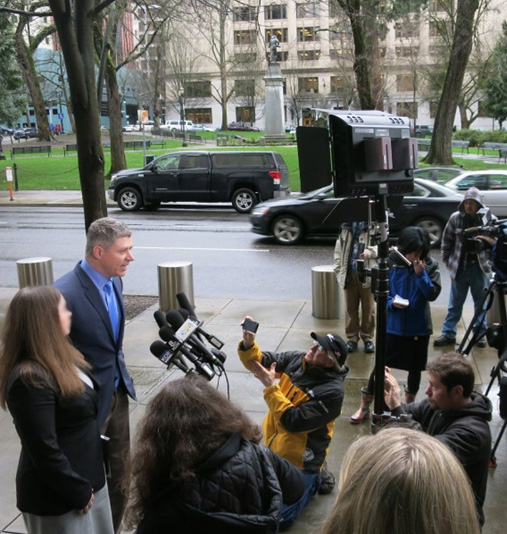
In the early hours of the morning, law professors wonder whether anything we do makes the world a better place. Today, I feel pretty sure that the answer is yes. That’s because, on January 28, I awoke to a televised image of Ammon Bundy’s lawyer, Mike Arnold of Eugene, Oregon, reading a statement urging the other Malheur protesters to stand down. Arnold is a former student of mine. I couldn’t be prouder.
Mike Arnold is an aggressive attorney that doesn’t mess around. I would recommend him to anyone. Thanks for helping me. I don’t think I have ever been so scared or felt so helpless and I’m thankful I know you guys.
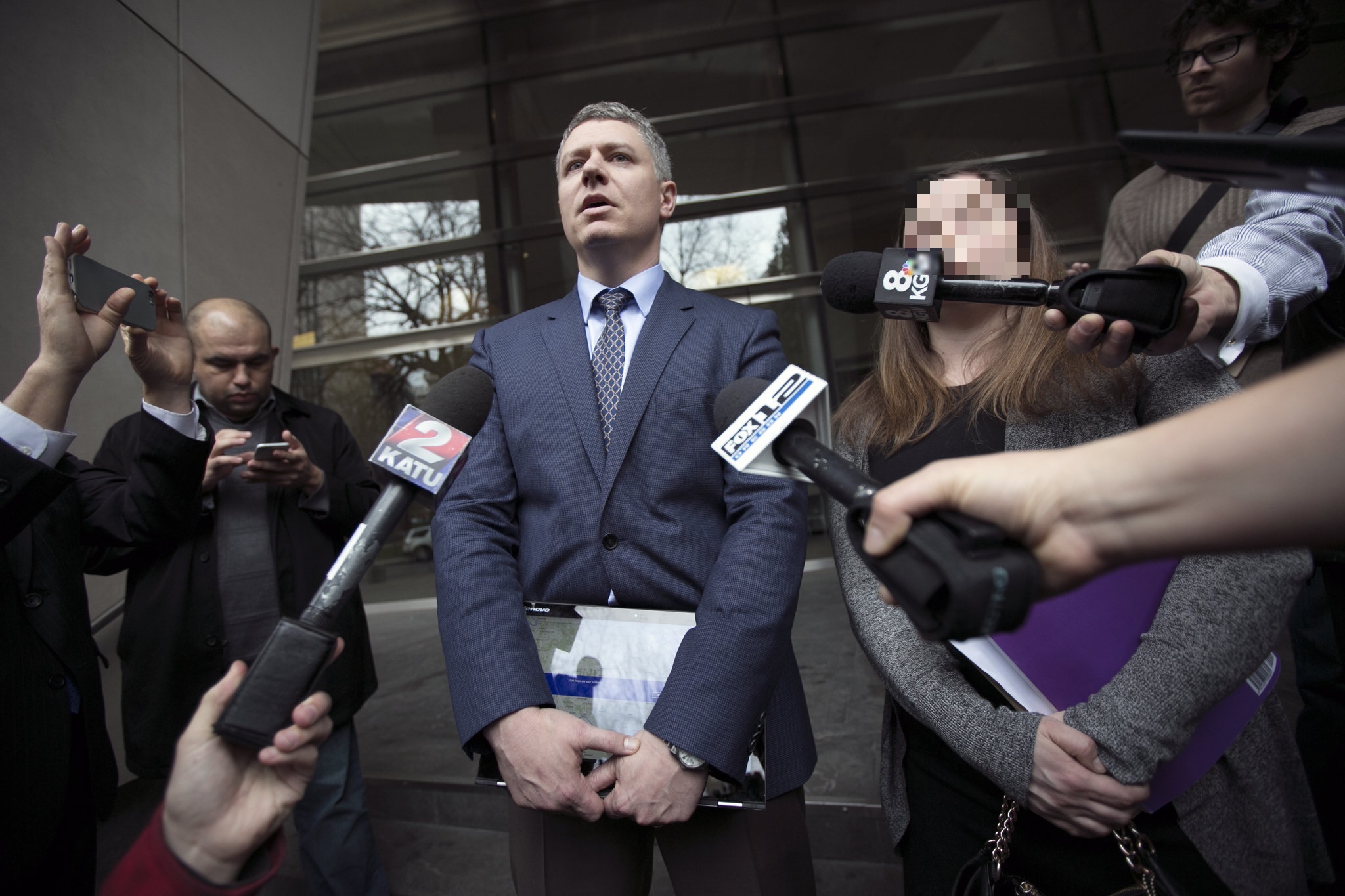
Francisco Segarra and the team at the Law Office of Mike Arnold stepped in and fought fiercely for us. They were strategic, honest, and relentless—always keeping us informed and grounded in a clear plan.
Because of them, we came out stronger and finally saw justice done
I am not a resident of Oregon and was put in the awkward position of finding a competent attorney for my son who had just been charged with a very serious felony while attending a university here. My wife and I interviewed a number…
Mike is amazing said resident Susan Hungerford. She said that several jurors told Arnold after her son’s [manslaughter] trial that they would call him if they ever got into legal trouble. ‘They were all over him, congratulating him,’ Hungerford said.
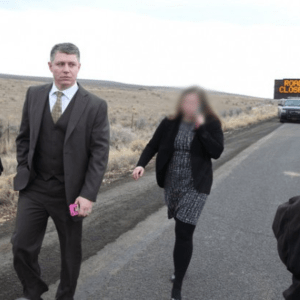
I was impressed watching Mike Arnold in his element during a suppression hearing. He is a very confident and knowledgeable attorney in the courtroom, but he also has a realness about him that I really appreciate. Thank you all for everything you are doing to try to help me in this matter.
Mike is an Oregon Attorney and Entrepreneur who has a passion pursuing what conventional wisdom considers long shots or lost causes, particularly when it involves speaking truth to power.
Mike is experienced in jury trials and complex criminal and civil litigation involving multiple parties and witnesses, voluminous discovery, expert witnesses, and high stakes.
We would like to hear from you. Please send us a message by filling out the form below and we will get back with you shortly. Do not send confidential information. This does not form an attorney-client relationship. No action will be taken on your behalf unless agreed to in writing by the attorney. Perhaps we already represent someone adverse to you, so keep your comments general (type of case, name of parties for a conflict check, jurisdiction, etc.)